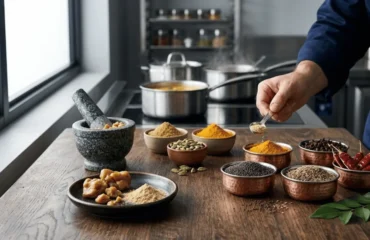

Heavy meals are almost unavoidable in winter—wedding buffets, late-night dinners, rich gravies, fried starters, sweets, and cold drinks together can leave your stomach feeling tight, heavy, gassy, and uncomfortable. Many people describe it as indigestion, while others call it bloating or “food not digesting properly.” In Indian kitchens, one traditional solution people reach for is hing for indigestion after heavy meals, mainly because hing (asafoetida) is commonly used in tadka and is considered a strong, warming ingredient in everyday cooking.
Still, indigestion doesn’t happen for just one reason. It can be triggered by overeating, eating too fast, too much oil, too much sugar, low water intake, late dinner timing, stress, and even lack of movement. If you want real relief, hing should be part of a simple reset routine, not a strong one-time experiment. This guide explains how people traditionally use hing for indigestion after heavy meals, what quantity is safe, what food choices help your stomach settle faster, and which symptoms should not be ignored.
Important: This is general information based on traditional household use. It is not medical advice. If indigestion is severe, persistent, or comes with warning signs, consult a qualified healthcare professional.
Why indigestion feels worse after winter heavy meals
Contents
- 1 Why indigestion feels worse after winter heavy meals
- 2 What hing is and why it’s used after heavy food
- 3 The most practical way to use hing for indigestion after heavy meals
- 4 How much hing is enough (and why overuse backfires)
- 5 A gentle “after buffet” reset routine for the next day
- 6 Mild warm options people try (only if your stomach is not sensitive)
- 7 Foods that worsen indigestion after heavy meals
- 8 Best “light meal” ideas where hing fits naturally
- 9 RB Industries | Top Manfacturing and Expeter in India
- 10 Who should avoid hing routines for indigestion
- 11 When indigestion is not “normal” and needs medical help
- 12 Common mistakes people make after overeating
- 13 Conclusion
- 14 FAQs
Winter meals tend to be richer and heavier. Many people eat later than usual, snack more frequently, and reduce daily movement because of cold weather. At weddings and parties, the usual pattern is fried snacks + spicy starters + rich main course + sweets + cold drinks. This combination can slow stomach comfort and make you feel unusually full even hours later. If you also travel after a buffet, motion and fatigue can increase discomfort.
Another common winter trigger is dehydration. People feel less thirsty in cold weather, so water intake drops, and that can worsen constipation and heaviness. When the stomach feels stuck, you may experience burping, gas, nausea, acidity, or a dull headache. In these situations, people often try hing for indigestion after heavy meals through mild cooking methods or gentle warm-water routines.
What hing is and why it’s used after heavy food
Hing (asafoetida) is derived from a resin obtained from Ferula plants. It has a very strong aroma and is used in tiny quantities in Indian cooking—especially in tempering (tadka) for dal, sabzi, kadhi, and khichdi. Because hing is so potent, most traditional usage relies on pinch-level amounts.
When people talk about hing for indigestion after heavy meals, they usually mean one of two things. First, using hing in a light meal after overeating, so the next meal feels easier and less heavy. Second, using hing in a mild warm routine for short-term comfort. The key is to keep everything gentle, because a strong mix can irritate a sensitive stomach and worsen acidity.
The most practical way to use hing for indigestion after heavy meals
The most reliable and safest approach is food-based use, because the quantity stays controlled and spread across the dish. If you ate a heavy dinner yesterday, the goal today is not another heavy meal. The goal is a reset meal.
A simple reset meal that works for many people is moong dal khichdi or plain dal-rice with a mild tempering. In that tempering, hing is added as a tiny pinch along with cumin. This method is popular because it supports warmth and aroma without overloading the stomach. For many households, this is the best use of hing for indigestion after heavy meals because it avoids extreme remedies and supports a calm stomach routine.
How much hing is enough (and why overuse backfires)
Hing is powerful. If you use too much, the smell becomes sharp, the taste becomes harsh, and sensitive stomachs may feel burning or nausea. This is why quantity matters more than the method.
If you are using hing for indigestion after heavy meals, keep the amount minimal. In cooking, a small pinch can be enough for a whole pot of dal or sabzi. For one or two servings, even less may be enough. If you are mixing it in warm water, the amount must be extremely small, because concentrated hing can irritate.
Signs you used too much include burning in the stomach, worsening acidity, throat irritation, nausea, or headache from strong aroma. If you notice any of these, stop and switch to plain warm water and lighter foods.
A gentle “after buffet” reset routine for the next day
If you had a wedding buffet last night and feel heavy today, this routine often helps more than trying multiple strong spices:
Start the day with warm water and a calm breakfast. Avoid skipping meals, because an empty stomach can worsen acidity for many people. Eat a light lunch—dal, khichdi, or soup—then take a short walk. Keep dinner early and lighter than lunch. Use hing in cooking rather than in strong drinks. This is where hing for indigestion after heavy meals fits naturally, because it becomes a small part of your food routine instead of a harsh remedy.
If you feel bloating, focus on posture, hydration, and gentle movement. Many people feel better after even a 10–15 minute walk post-meal.
Mild warm options people try (only if your stomach is not sensitive)
Some households try warm water routines after heavy meals. If you want to explore hing for indigestion after heavy meals through warm water, keep it extremely mild and do it only once.
A practical approach is warm water with a tiny pinch of hing. Sip slowly and observe. If you have acidity, ulcers, or a sensitive stomach, it is safer to skip this and use hing only in cooking. Strong drinks can worsen burning sensations and make the stomach more irritated.
If your stomach is already upset, the safest plan is plain warm water, light food, and rest.
Foods that worsen indigestion after heavy meals
When you’re already heavy, certain foods make it worse. Fried snacks, bakery items, very spicy chutneys, soda, and cold desserts can increase bloating and acidity. Many people also drink strong tea/coffee to “feel active,” but caffeine on an irritated stomach can worsen acidity.
If you are using hing for indigestion after heavy meals, pair it with foods that feel gentle. Light dal, khichdi, soup, steamed vegetables, soft rice, and warm porridge-like meals usually feel easier. Keep portions small and avoid eating too fast.
Best “light meal” ideas where hing fits naturally
Moong dal khichdi is a classic comfort meal. Plain dal with cumin tempering is another. Clear vegetable soup can be finished with a mild tempering if you tolerate it. Simple sabzi with jeera and hing tadka also works well, especially with bottle gourd, pumpkin, spinach, or other winter vegetables.
These dishes support the idea of hing for indigestion after heavy meals because hing is used in tiny amounts, the food stays light, and the routine becomes repeatable.
RB Industries | Top Manfacturing and Expeter in India
Who should avoid hing routines for indigestion
Some people should be cautious with strong ingredients. If you have severe acidity, ulcers, gastritis, or frequent burning, hing in water may irritate you. If you take blood thinners or have bleeding disorders, avoid experimenting without professional guidance. Pregnant or breastfeeding individuals should avoid strong home routines unless a healthcare professional approves. If you have asthma triggered by strong aromas, strong hing smell may feel uncomfortable.
If you try hing for indigestion after heavy meals and feel worse, stop immediately. Indigestion relief should feel calming, not irritating.
When indigestion is not “normal” and needs medical help
Indigestion after a heavy meal is common, but certain symptoms should not be ignored. Seek medical attention if you have severe chest pain, pain radiating to the arm/jaw, breathlessness, repeated vomiting, blood in vomit, black stools, sudden unexplained weight loss, persistent fever, severe abdominal pain, or indigestion that continues for weeks. Also consult a doctor if you need antacids daily or symptoms return frequently.
Home routines like hing for indigestion after heavy meals should never delay diagnosis when warning signs exist.
Common mistakes people make after overeating
Many people try to “fix” indigestion by skipping meals, but that can worsen acidity. Others drink cold water or fizzy drinks, which can increase bloating. Some people try too many spices together—strong ginger, pepper, clove, ajwain, hing—all in one drink, which can irritate the stomach. Another common mistake is lying down immediately after eating. Sitting upright and taking a short walk often helps more.
If you want hing for indigestion after heavy meals to fit your routine, keep it simple, keep it tiny, and focus on light meals and hydration.
Conclusion
Indigestion after winter wedding meals is usually linked to routine triggers—heavy food, late timing, low water intake, and reduced movement. The most reliable relief comes from a gentle reset: warm hydration, light meals, early dinner, and short walks. Using hing for indigestion after heavy meals works best as a food-based habit in dal, khichdi, soup, and simple sabzi, where the quantity stays small and the stomach stays calm. If symptoms are severe, frequent, or come with warning signs, consult a healthcare professional.
FAQs
Can hing for indigestion after heavy meals actually help?
Hing for indigestion after heavy meals is traditionally used in tiny amounts, mainly in cooking tempering, and many people feel it supports comfort when meals feel heavy. It works best when combined with a light reset meal and hydration, not as a strong standalone remedy.
What is the safest way to use hing for indigestion after heavy meals?
The safest approach is adding a tiny pinch of hing in tadka for a light meal like dal or khichdi the next day. Food-based use keeps hing for indigestion after heavy meals gentle and reduces the risk of irritation compared to concentrated drinks.
How much hing should I use after overeating?
Use only a pinch-level quantity in cooking. If you overuse it, you may get burning or discomfort. For hing for indigestion after heavy meals, minimal quantity is usually enough, because hing is extremely potent.
Can hing worsen acidity or stomach burning?
Yes, especially if used in large quantity or in direct warm-water mixtures when the stomach is already sensitive. If you have acidity or ulcers, keep hing for indigestion after heavy meals limited to mild cooking use or avoid it if it irritates you.
When should I see a doctor for indigestion after heavy meals?
See a doctor if indigestion is frequent, lasts for weeks, or comes with severe chest pain, repeated vomiting, blood in vomit, black stools, significant weight loss, fever, or severe abdominal pain. Home routines like hing for indigestion after heavy meals should not delay medical care.