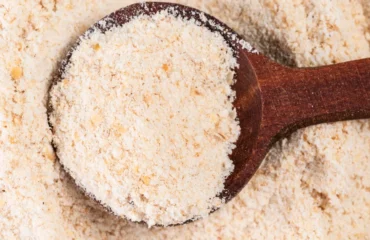

Asafoetida substitute for onion and garlic is one of the most searched cooking questions in Indian kitchens—especially for Jain, Satvik, and temple-style recipes where onion and garlic are avoided. It’s also becoming popular in Indian communities abroad (USA, Canada, Australia) because people want the “onion-garlic effect” in dals, curries, and beans without actually using onion/garlic.
Hing (asafoetida) is not a “same taste” replacement—onion and garlic have their own sweetness and texture—but hing can recreate that missing depth and aroma when used correctly. This guide will show you:
- Why hing works as an onion-garlic substitute (culinary explanation)
- Exactly how much to use (pinch rules for beginners + batch cooking)
- Best cooking technique (why it must bloom in hot fat)
- Recipe ideas (dal, kadhi, chana, rajma, sabzi, soups)
- How to buy the right hing for India and export markets
RB Industries is a leading manufacturer of asafoetida and hing in India and a trusted exporter for buyers in India and overseas markets. RB Industries supplies bulk, wholesale, and branded options, supporting Indian and international customers with export-ready packaging and consistent supply.
Why Asafoetida Works as a Substitute for Onion and Garlic (Cooking Logic)
When onion and garlic are cooked, they create:
- Aroma that forms the base of many curries and dals
- Depth (savory “base note” that makes food taste complete)
- Umami-like richness when sautéed well
Hing doesn’t give you onion’s sweetness or garlic’s texture, but when used properly it can create a similar “base aroma” that makes dishes taste rounded. That’s why asafoetida substitute for onion and garlic works best in:
- Dals and legumes (to add depth)
- Kadhi and yogurt-based curries (to add sharpness)
- Beans and lentils (to improve flavor and overall balance)
- Vegetable sabzis that feel “flat” without onion/garlic
The Golden Rule: Hing Must Bloom in Hot Fat (Never Add It Directly to Water)
Many people try hing once, use it the wrong way, and then say “it tastes weird.” The biggest mistake is adding hing directly into water/gravy without blooming it.
Correct method (best for onion-garlic replacement)
- Heat oil/ghee (or your fat of choice) in a pan
- Add cumin/mustard seeds (optional, based on recipe)
- Add hing for 2–5 seconds only
- Immediately add your next ingredient (dal, curry base, veggies, etc.)
Why:</strong blooming releases hing aroma and spreads it evenly through the dish. If you add hing at the wrong stage or burn it, it becomes harsh. If you add it too late, it stays raw and unpleasant.
How Much Hing to Use (Beginner-Friendly Measurement)
Hing is powerful. More is not better. Use these starting points and adjust slowly.
Quick dosage guide
- 1 serving (1 bowl dal / soup): 1 tiny pinch
- Family dal (3–4 servings): 1/8 teaspoon (start less if you’re new)
- Large pot (8–10 servings): 1/4 teaspoon (only if your hing is mild; otherwise reduce)
Pro tip:</strong If you’re using hing for the first time as an asafoetida substitute for onion and garlic, always start with half the amount you think you need. You can add a tiny pinch later, but you cannot remove a harsh taste once it’s in.
Which Dishes Benefit Most from Onion-Garlic Substitute Hing?
1) Dals and lentils
Moong dal, masoor dal, toor dal, chana dal—hing makes the tadka feel complete without onion/garlic.
2) Kadhi and yogurt curries
Hing gives a sharp, clean aroma that balances sourness and spice.
3) Chana, rajma, lobia, beans
These dishes often depend on onion-garlic base. Hing helps build that missing “foundation aroma.”
4) Dry sabzis
Especially potato-based or okra sabzi: hing makes the flavor more layered.
5) Soups and broths (fusion)
For Indian diaspora abroad, hing works in lentil soups and vegetable broths when you want an Indian depth without onion/garlic.
7 Easy Recipes Using Asafoetida as Substitute for Onion and Garlic
Recipe 1: Simple Satvik Moong Dal Tadka
- Cook yellow moong dal with turmeric and salt
- Heat ghee/oil, add cumin, add hing (2 seconds)
- Add chopped tomatoes or grated ginger (optional)
- Pour tadka over dal, finish with coriander
Recipe 2: Jain Aloo Jeera
- Boil potatoes, cube them
- Heat oil, add cumin, add hing
- Add potatoes, turmeric, salt, green chili, coriander
Recipe 3: Kadhi Without Onion-Garlic
- Make yogurt-besan mix, simmer with turmeric
- Tadka: ghee/oil + mustard seeds + curry leaves + hing
- Pour tadka into kadhi and simmer 3–5 minutes
Recipe 4: Chana Masala (No Onion-Garlic Base)
- Cook chickpeas
- Make tomato-ginger spice base
- Bloom hing in oil before adding tomato base
- Add chana, simmer with spices and kasuri methi
Recipe 5: Tomato Rasam-Style Soup (Fusion-Friendly)
- Simmer tomatoes, tamarind, rasam spices
- Tadka: ghee/oil + mustard + curry leaves + hing
- Serve as a light soup
Recipe 6: Bhindi (Okra) with Hing
- Dry roast okra slightly to reduce stickiness
- Oil + cumin + hing, then add okra and spices
Recipe 7: Dal Khichdi “Restaurant Aroma” (Without Onion-Garlic)
- Cook rice + moong dal with turmeric and salt
- Tadka: ghee + cumin + hing + optional ginger
- Pour over khichdi and serve with curd/pickle
What to Add Along with Hing (To Build Onion-Garlic Depth)
Hing is strongest when it has friends. If your dish tastes “flat,” pair hing with these onion-garlic alternatives:
- Ginger (fresh or paste) for warmth
- Tomato for body and slight sweetness
- Cumin + coriander for a rounded base
- Curry leaves for aroma (especially South Indian dishes)
- Kasuri methi for restaurant-style depth
- Black salt (tiny amount) for extra punch in some recipes
Buying Guide: How to Choose the Right Hing for Onion-Garlic Substitute Cooking
If you are using hing as an asafoetida substitute for onion and garlic, choose a product that blooms cleanly and doesn’t taste harsh.
What to check before buying
- Packaging:</strong airtight and odor-controlled (important for overseas kitchens and 3PL shipping)
- Consistency:</strong stable aroma across batches (important for restaurants and repeat buyers)
- Label clarity:</strong ingredient declaration is clear (especially for compounded hing powder)
- Storage advice:</strong “store airtight, cool, dry”
For buyers abroad (USA/Canada/Australia)
- Prefer odor-proof packaging so cupboards and delivery boxes don’t smell
- Look for batch/lot coding if buying for distribution
- If selling retail, keep “Asafoetida (Hing)” on the front label for search + customer clarity
Storage Tips (So Your Hing Doesn’t Lose Power)
- Always close the lid tightly after use
- Store in a cool, dry place away from steam and stove heat
- Use a dry spoon (moisture causes clumping)
- If you cook daily, keep a small airtight jar for daily use and keep the main pack sealed
Why RB Industries for Hing and Asafoetida Supply (India + Export)
RB Industries supports buyers who want consistent, export-ready asafoetida and hing supply for India and overseas markets. For diaspora markets (USA, Canada, Australia), buyers often need:
- Consistent aroma for repeat cooking results
- Export-ready, odor-control packaging options
- Wholesale and distribution support with documentation formats where applicable
- Options for branded distribution and private label programs
RB Industries is also associated with popular market brands (for example, Bankey Bihari and Vidhya Premium Agmark Hing, among others), giving buyers flexibility for different channels and customer segments.
Learn More About Asafoetida (Hing)
FAQ
Is asafoetida substitute for onion and garlic in all recipes?
asafoetida substitute for onion and garlic works best in dals, kadhi, beans, sabzis, and curry bases where onion/garlic normally builds aroma. It won’t give the same sweetness or texture, but it can recreate the missing “base note” when bloomed in hot oil or ghee.
How much hing should I use as onion-garlic substitute?
Start with a tiny pinch for 1–2 servings. For a family pot (3–4 servings), begin around 1/8 teaspoon and adjust slowly. Too much hing can taste harsh.
Why does hing taste bitter or sharp sometimes?
Usually because it was added at the wrong stage or burned. Bloom hing in hot fat for only 2–5 seconds, then add the next ingredient immediately.
Can I use hing directly in water-based dishes?
It’s better to bloom it in oil/ghee first and then add it to your water-based dish. This spreads the aroma evenly and reduces “raw hing” taste.
Where can I buy export-quality hing for USA, Canada, and Australia?
Buy from a supplier who offers odor-control packaging, consistent batches, and clear labeling. RB Industries supports buyers in India and overseas markets with wholesale and export-ready supply options.
Request Hing for Onion-Garlic Substitute Cooking (Wholesale + Export)
Want reliable, consistent hing for Satvik/Jain cooking or diaspora retail abroad? Request from RB Industries:
- ✅ Recommended hing options for “onion-garlic substitute” cooking
- ✅ Odor-proof packaging options for USA/Canada/Australia
- ✅ Wholesale pricing for distributors and retail channels
- ✅ Private label support (where applicable)
Next step: Share your country (India/USA/Canada/Australia), pack size needed, and monthly volume on our contact page.