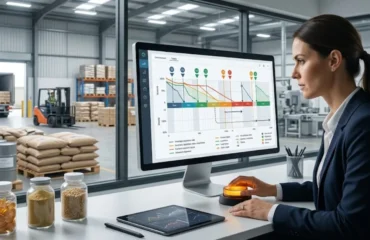
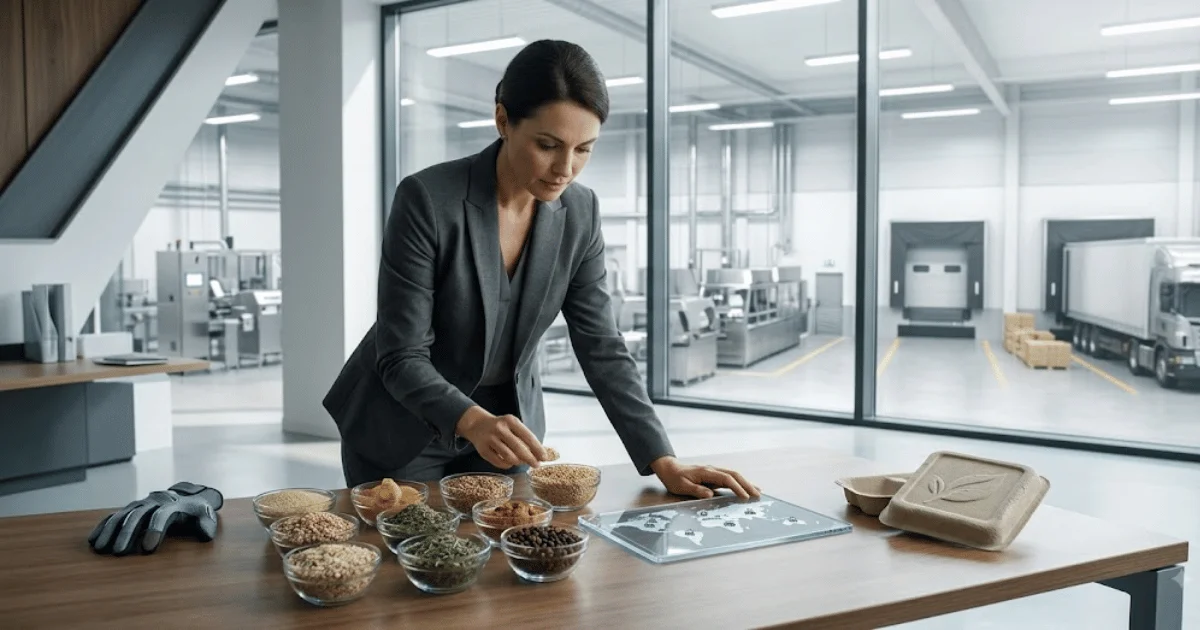
Food manufacturing procurement trends are evolving rapidly as companies face increasing pressure to improve product quality, maintain consistency, manage costs, and strengthen supply chain reliability. Procurement teams are no longer focused solely on price. Today, ingredient quality, supplier performance, traceability, and long-term partnerships play an equally important role in purchasing decisions.
As the food industry becomes more competitive, procurement professionals must balance multiple priorities while ensuring uninterrupted production. Whether sourcing spices, seasonings, food ingredients, or specialty products such as Asafoetida (Hing), manufacturers are adopting more strategic procurement approaches than ever before.
Understanding food manufacturing procurement trends helps businesses improve sourcing strategies and build stronger supplier relationships that support sustainable growth.
Why Procurement Has Become a Strategic Function
In the past, procurement was often viewed as a purchasing department focused primarily on obtaining materials at competitive prices. Today, procurement has become a strategic business function that directly influences product quality, operational efficiency, and customer satisfaction.
Food manufacturers recognize that supplier decisions affect every stage of production, from raw material quality to finished product performance.
This shift has transformed procurement into a key contributor to business success.
Key Food Manufacturing Procurement Trends
Several major trends are shaping procurement decisions across the food manufacturing industry.
Greater Focus on Ingredient Quality
Manufacturers increasingly prioritize quality when selecting suppliers. Consistent ingredient performance helps maintain product standards and reduce manufacturing risks.
Supplier Reliability
Reliable suppliers are essential for maintaining uninterrupted production schedules. Procurement teams evaluate supplier performance carefully before establishing long-term partnerships.
Traceability Requirements
Businesses want greater visibility into supply chains. Traceability helps improve transparency and supports quality assurance initiatives.
Risk Management
Supply chain disruptions have highlighted the importance of proactive risk assessment and supplier diversification.
How Procurement Teams Evaluate Ingredient Suppliers
Modern procurement decisions involve much more than comparing prices. Buyers assess suppliers using multiple criteria to ensure long-term value.
Quality Consistency
Suppliers must demonstrate the ability to deliver consistent products across different batches and production periods.
Production Capability
Manufacturers evaluate whether suppliers can support future growth and increased volume requirements.
Technical Expertise
Experienced suppliers often provide valuable technical support and application knowledge.
Supply Stability
Stable supply chains reduce production risks and improve planning capabilities.
Role of Procurement Trends in Spice and Hing Industry
The spice industry has experienced significant changes as manufacturers place greater emphasis on quality control and supplier reliability. Ingredients such as Hing require consistent aroma, flavor, and performance characteristics.
Procurement teams increasingly seek suppliers capable of maintaining stable product specifications and dependable supply schedules.
This trend has strengthened the importance of quality-focused manufacturers.
What Buyers Look for in Hing Suppliers
- Consistent product quality
- Reliable supply capabilities
- Strong quality assurance systems
- Competitive pricing
- Customization options
- Long-term partnership potential
Technology and Procurement Transformation
Technology is reshaping procurement operations throughout the food industry. Digital tools help procurement teams monitor supplier performance, manage documentation, and improve purchasing efficiency.
Data-driven decision-making is becoming increasingly common among leading food manufacturers.
This transformation allows companies to make more informed sourcing decisions.
Importance of Long-Term Supplier Relationships
Many manufacturers are moving away from purely transactional purchasing models and focusing on long-term supplier partnerships.
Strong supplier relationships often result in better communication, improved reliability, and greater operational flexibility.
These partnerships can create advantages for both buyers and suppliers.
Benefits of Strategic Supplier Partnerships
- Improved supply security
- Better quality consistency
- Enhanced collaboration
- Reduced operational risks
- Greater innovation opportunities
Challenges Facing Procurement Teams
Despite advancements in procurement practices, buyers continue to face numerous challenges.
Raw Material Price Volatility
Market fluctuations can affect ingredient costs and purchasing strategies.
Supply Chain Disruptions
Unexpected disruptions can create inventory shortages and production challenges.
Quality Variability
Maintaining consistent ingredient quality remains a priority for food manufacturers.
Addressing these challenges requires careful supplier selection and effective procurement planning.
Future of Food Manufacturing Procurement Trends
The future of food manufacturing procurement trends will likely focus on greater transparency, stronger supplier collaboration, improved traceability, and increased use of technology. Manufacturers will continue prioritizing suppliers that offer consistent quality, dependable performance, and long-term value.
Procurement teams are expected to play an even larger role in supporting business growth and competitive advantage.
Companies that adopt strategic procurement practices will be better positioned to succeed in an increasingly complex market environment.
Frequently Asked Questions About Food Manufacturing Procurement Trends
What are food manufacturing procurement trends?
These trends refer to evolving purchasing practices focused on quality, reliability, traceability, risk management, and supplier partnerships.
Why is procurement important in food manufacturing?
Procurement influences ingredient quality, production efficiency, supply chain stability, and overall business performance.
What do procurement teams look for in suppliers?
Procurement teams typically evaluate quality consistency, supply reliability, technical expertise, pricing, and long-term partnership potential.
Conclusion
Food manufacturing procurement trends are transforming how companies source ingredients and manage supplier relationships. Quality, consistency, traceability, and reliability have become key priorities for procurement professionals across the food industry.
As supply chains continue to evolve, businesses that embrace strategic procurement practices and build strong supplier partnerships will be better positioned for long-term success and sustainable growth.
About RB Industries
RB Industries is a trusted manufacturer and supplier of premium Asafoetida products, serving food manufacturers, spice brands, wholesalers, distributors, exporters, and commercial buyers with reliable quality and consistent supply solutions.
Our Hing Brands
Explore our trusted brands including TOTA Gold, Bankey Bihari, Shri Krishna, and Tastekar. Each brand is crafted to deliver superior aroma, dependable consistency, and premium quality for retail and commercial applications.
Custom Hing Solutions
RB Industries offers customized Hing solutions including Hing Powder, Hing Granules, Compound Hing, private labeling, bulk packaging, export-grade products, and industry-specific formulations tailored to customer requirements.