
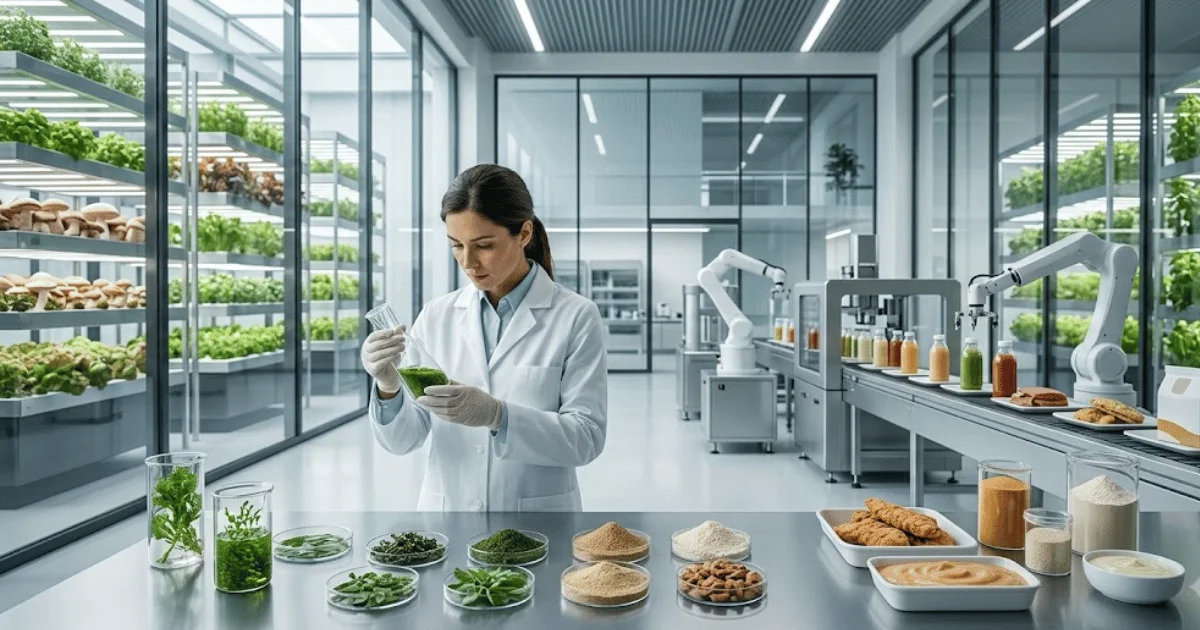
The future of clean label ingredients is becoming one of the most discussed topics in the global food industry. Consumers today are more informed than ever before and increasingly pay attention to ingredient lists, product transparency, and food quality. As a result, food manufacturers are adapting their product development strategies to align with changing consumer expectations.
Clean label products have moved beyond being a niche trend. They are now influencing purchasing decisions across multiple food categories, including snacks, seasonings, ready-to-eat foods, beverages, and specialty ingredients. This shift is encouraging manufacturers to focus on ingredients that consumers recognize and trust.
Understanding the future of clean label ingredients helps food manufacturers, ingredient suppliers, and food brands prepare for evolving market demands and long-term industry growth.
What Are Clean Label Ingredients?
Clean label ingredients generally refer to ingredients that consumers perceive as familiar, understandable, and transparent. Although definitions may vary across markets, the concept focuses on simplicity and consumer confidence.
Modern consumers often prefer products with ingredient lists that are easy to understand and align with their expectations for food quality.
This growing preference continues to shape product innovation worldwide.
Why the Future of Clean Label Ingredients Looks Strong
Several powerful trends are driving demand for clean label products across global food markets.
Consumers are increasingly interested in understanding what goes into their food and how products are made. This awareness is encouraging food companies to prioritize transparency and ingredient quality.
As a result, clean label strategies are becoming an important part of long-term business planning.
Major Growth Drivers
- Increasing consumer awareness
- Demand for transparency
- Focus on ingredient quality
- Growth of premium food products
- Rising interest in food authenticity
- Expansion of health-conscious purchasing behaviors
Future of Clean Label Ingredients and Consumer Expectations
Consumer expectations continue to evolve rapidly. Today’s shoppers often research products before purchasing and pay closer attention to ingredient information than previous generations.
Food brands that provide transparency and maintain consistent quality are often better positioned to build consumer trust.
This trend is expected to strengthen in the coming years.
What Consumers Are Looking For
- Clear ingredient information
- Product transparency
- Consistent quality
- Trusted brands
- Authentic food experiences
Role of Traditional Ingredients in Clean Label Trends
Traditional food ingredients are gaining renewed attention as manufacturers explore ways to meet clean label expectations. Ingredients with long histories of culinary use often align well with consumer preferences for familiarity and authenticity.
Asafoetida, commonly known as Hing, is an example of a traditional ingredient that continues to maintain relevance in modern food applications.
Its long-standing use across Indian cuisine demonstrates how traditional ingredients can remain valuable in contemporary food innovation.
Future of Clean Label Ingredients in Food Manufacturing
Food manufacturers are increasingly incorporating clean label considerations into product development processes. Ingredient selection, supplier partnerships, and quality management systems all play important roles in achieving clean label objectives.
Companies that successfully align innovation with consumer expectations often gain stronger market positioning.
This approach is becoming increasingly important in competitive food categories.
Manufacturing Priorities
- Ingredient transparency
- Quality consistency
- Reliable sourcing
- Supplier accountability
- Consumer-focused product development
How Ingredient Suppliers Support Clean Label Innovation
Ingredient suppliers play a critical role in helping food manufacturers achieve clean label goals. Reliable suppliers provide consistent quality, technical expertise, and ingredient transparency that support successful product development.
Strong supplier relationships often contribute to better quality outcomes and improved supply chain performance.
This collaboration is expected to become even more important in the future.
Challenges Facing the Future of Clean Label Ingredients
While clean label demand continues to grow, manufacturers also face several challenges.
Balancing Consumer Expectations
Companies must balance transparency, quality, flavor, and operational efficiency while meeting market demands.
Supply Chain Complexity
Maintaining visibility across increasingly complex supply chains remains a priority for many businesses.
Product Consistency
Manufacturers must ensure that ingredient choices continue to support reliable product performance.
Addressing these challenges requires careful planning and supplier collaboration.
Future Opportunities in Clean Label Food Development
The future of clean label ingredients presents significant opportunities for food manufacturers, ingredient suppliers, and brands. Consumers are expected to continue prioritizing transparency and quality when making purchasing decisions.
Businesses that invest in ingredient quality, supply chain visibility, and consumer trust will likely be well-positioned for future growth.
Clean label innovation is expected to influence product development strategies across the food industry for years to come.
Frequently Asked Questions About the Future of Clean Label Ingredients
What are clean label ingredients?
Clean label ingredients are generally ingredients that consumers perceive as familiar, understandable, and transparent.
Why are clean label products becoming more popular?
Growing consumer awareness, demand for transparency, and interest in product quality are driving clean label growth.
How can food manufacturers benefit from clean label trends?
Manufacturers can strengthen consumer trust, improve brand positioning, and align products with evolving market expectations.
Conclusion
The future of clean label ingredients is closely linked to changing consumer expectations, increasing transparency requirements, and ongoing food industry innovation. As consumers continue seeking products they trust, clean label strategies will remain an important focus for food manufacturers and ingredient suppliers.
Companies that prioritize quality, consistency, and transparency will be better positioned to meet future market demands and build lasting customer relationships.
About RB Industries
RB Industries is a trusted manufacturer and supplier of premium Asafoetida products, serving food manufacturers, spice brands, wholesalers, distributors, exporters, and commercial buyers with reliable quality and consistent supply solutions.
Our Hing Brands
Explore our trusted brands including TOTA Gold, Bankey Bihari, Shri Krishna, and Tastekar. Each brand is crafted to deliver superior aroma, dependable consistency, and premium quality for retail and commercial applications.
Custom Hing Solutions
RB Industries offers customized Hing solutions including Hing Powder, Hing Granules, Compound Hing, private labeling, bulk packaging, export-grade products, and industry-specific formulations tailored to customer requirements.


