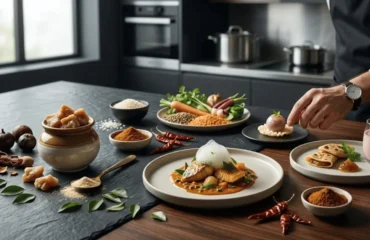

Jain cooking is known for simple, clean, and mindful meals—often prepared without onion and garlic. The challenge many cooks face is flavour: onion and garlic add strong base aroma, and when they are removed, food can feel flat if you don’t replace that depth correctly. That’s exactly why hing for Jain cooking is so important. Hing (asafoetida) can add a savoury “tadka depth” that makes dal, sabzi, khichdi, and many Jain-style dishes taste complete.
But hing is powerful. In Jain cooking, where flavours are often lighter and cleaner, overuse can ruin a dish quickly. The right approach is to use hing in tiny amounts, at the correct tempering moment, with the right supporting spices like cumin, mustard, curry leaves, ginger, and sometimes tomato.
This guide explains how to use hing for Jain cooking with practical methods, flavour-building combinations, dish ideas, and the mistakes to avoid.
Why hing is used in Jain cooking
In many recipes, onion and garlic provide:
-
aroma base when sautéed
-
sweetness and depth in gravies
-
a “rounded” finish to the dish
Jain cooking replaces this depth using a different set of ingredients, and hing is one of the most effective. When used correctly, hing for Jain cooking gives a subtle savoury aroma that supports the entire dish without overpowering it.
How hing creates flavour without onion and garlic
Hing has a naturally intense aroma. When bloomed in hot fat (ghee/oil) on low flame, it transforms into a warm, savoury note that blends into food. This is why the tempering method is essential in hing for Jain cooking.
If you sprinkle hing directly into watery gravy, it can smell raw and uneven. If you burn it in hot oil, it can turn bitter. So technique matters.
The correct method: hing for Jain cooking (tadka steps)
The simplest Jain-friendly tadka approach:
-
Heat ghee/oil
-
Add cumin seeds (or mustard seeds depending on dish)
-
Add ginger or curry leaves if used in your style
-
Lower flame
-
Add a tiny pinch of hing
-
Immediately add cooked dal/sabzi or pour tadka over it
This is the most reliable way to use hing for Jain cooking without harshness.
How much hing to use in Jain cooking
This is where most people go wrong. They try to “replace onion/garlic” by adding more hing. That creates sharp smell.
Important: Use pinch-level quantity only
Important: For small servings, less than a pinch is enough
Important: If the dish smells strong and sharp, reduce quantity next time
In Jain cooking, subtle aroma feels more authentic than heavy spice. So hing for Jain cooking should stay in the background.
Best spice pairings for Jain-style flavor
Hing works best when paired with a small set of supporting spices. These are practical combos:
Cumin + Hing (most common Jain tadka)
Great for dal, khichdi, lauki, tinda, pumpkin, and daily sabzi.
Mustard + Curry Leaves + Hing
Works well for South-leaning Jain dishes, coconut-based styles, and light vegetable curries.
Ginger + Hing
Adds warmth without heaviness. Very useful in winter meals and simple dal.
Ajwain + Hing (for heavier vegetables)
Useful with arbi, aloo, and certain dry preparations. Keep it mild.
These combinations make hing for Jain cooking taste natural, not forced.
Jain-friendly dish ideas where hing works beautifully
Moong dal tadka
A clean cumin-hing tadka makes moong dal feel complete even without onion/garlic.
Khichdi
Khichdi becomes more aromatic with a mild tadka. This is one of the easiest dishes to learn hing for Jain cooking.
Lauki or tinda sabzi
Light vegetables become more flavorful with a small pinch of hing in tadka.
Aloo sabzi
Classic jeera-hing flavour works very well in Jain-style potato dishes.
Kadhi (Jain style)
Many kadhi recipes are already onion-free. Hing tempering makes it richer and more aromatic.
Common mistakes to avoid
Important: Burning hing in hot oil
Always lower the flame before adding.
Important: Using too much hing
It becomes sharp and dominates the dish.
Important: Adding hing directly into water-based gravy
Use it in fat for even distribution.
Important: Mixing too many strong spices
Jain cooking often aims for balance, so keep spice combinations clean.
If you avoid these, your hing for Jain cooking results will be consistent and pleasant.
How to make Jain cooking taste “restaurant-style” without onion/garlic
A practical approach:
-
use slightly more ghee in tadka (not too much)
-
use cumin + hing for base aroma
-
use ginger for warmth
-
use tomato where gravy needs body (if your style allows)
-
simmer a bit longer for depth
This builds flavour naturally without relying on onion/garlic, and it makes hing for Jain cooking feel like a true cooking style.
RB Industries | Top Manufacturing Asafoetida Exportes
Conclusion
Using hing for Jain cooking is one of the easiest ways to build flavour without onion and garlic. The method is simple: use a tiny pinch, add it only in tadka on low flame, and pair it with cumin, mustard, curry leaves, or ginger depending on the dish. Keep flavours clean and balanced, and your dal, sabzi, and khichdi will taste complete and satisfying.
If you need consistent hing for Jain kitchens, retail supply, bulk buying, or export requirements, RB Industries | Top Manufacturing Asafoetida Exportes can support your sourcing needs with reliable product formats and packaging options. Explore Our Products and Offerings, and reach out via Contact Us for requirements and queries.
FAQs
Why is hing important for Jain cooking?
Because Jain cooking avoids onion and garlic, hing helps add savoury tadka aroma and depth so dishes feel complete without those ingredients.
How much hing should I use in Jain recipes?
Use pinch-level quantity only. Jain dishes are often lighter, so too much hing can overpower the food quickly.
What is the best way to use hing for Jain cooking?
Add hing in tadka on low flame in ghee/oil, then mix immediately into the dish. This gives clean aroma and avoids bitterness.
Which spices pair best with hing in Jain cooking?
Cumin is the most common. Mustard and curry leaves work well for South-style dishes, while ginger adds warmth without heaviness.
Why does my Jain dish taste bitter after using hing?
Hing likely burned in hot oil or was overused. Lower the flame and use a smaller quantity for a smoother flavour.