
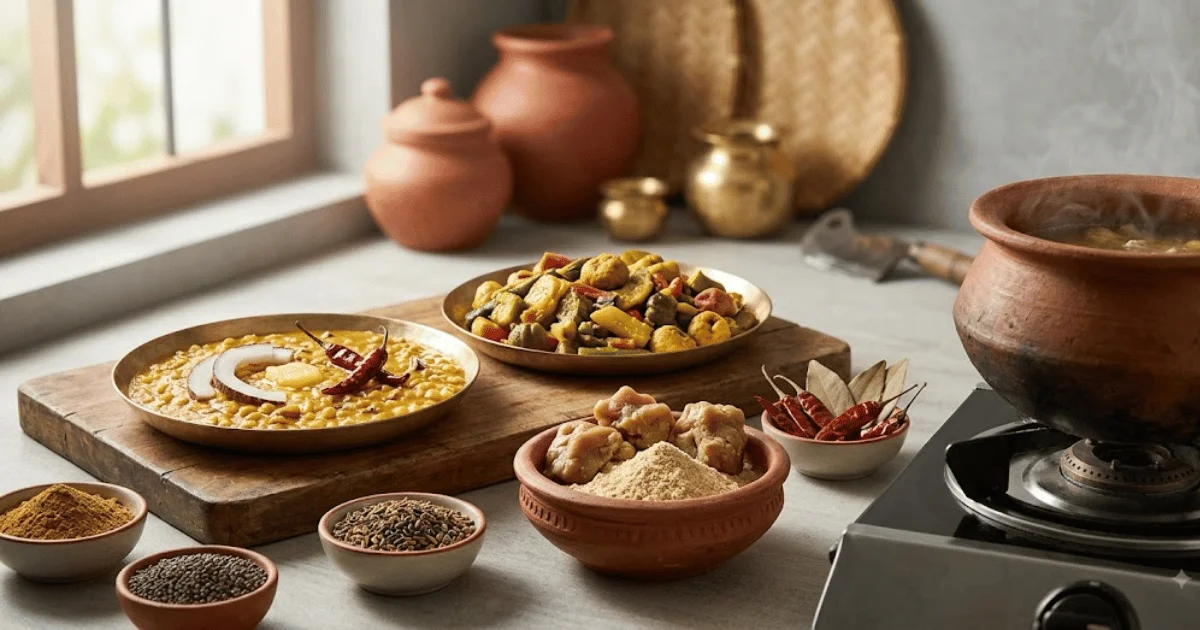
Hing in Bengali Cuisine has been an essential ingredient in many traditional recipes for generations. Known for its distinctive aroma and flavor-enhancing properties, Hing, or Asafoetida, holds a unique place in Bengali cooking. While Bengali cuisine is famous for its diverse use of spices, fish preparations, vegetables, and lentil dishes, Hing continues to play an important role in creating authentic regional flavors.
From simple home-cooked meals to festive dishes, Bengali cooks have long used Hing to add depth and complexity to recipes. Even in small quantities, it can transform the overall taste profile of a dish and contribute to the distinctive culinary identity of the region.
Today, as traditional Indian flavors gain popularity across global markets, the importance of Hing in Bengali Cuisine continues to influence food manufacturing, seasoning blends, and convenience food development.
Why Hing in Bengali Cuisine Is Important
Bengali cuisine emphasizes balanced flavors and carefully selected ingredients. Hing contributes a unique savory note that enhances traditional spice combinations without overpowering other ingredients.
Its ability to complement vegetables, lentils, and spice blends makes it a valuable ingredient in many Bengali households.
The popularity of Hing in Bengali Cuisine reflects the region’s long-standing appreciation for flavor complexity and culinary tradition.
Historical Use of Hing in Bengali Cooking
Hing has been used in Indian cooking for centuries, and Bengali cuisine is no exception. Traditional recipes often include Hing as part of the tempering process, where spices are added to hot oil to release their aroma and flavor.
This technique allows Hing to blend harmoniously with other ingredients while contributing its characteristic taste.
Over time, its use became deeply integrated into many classic Bengali dishes.
Traditional Bengali Dishes That Use Hing
Several well-known Bengali recipes incorporate Hing as part of their flavor foundation.
- Cholar Dal
- Shukto
- Ghugni
- Dal Preparations
- Vegetable Curries
- Traditional Spice Mixes
- Seasonal Vegetable Dishes
- Festival Foods
These dishes demonstrate how Hing contributes to the authentic taste of Bengali cuisine.
Cholar Dal and Hing: A Classic Combination
One of the most recognized examples of Hing in Bengali Cuisine is Cholar Dal. This traditional lentil dish is often prepared with aromatic spices that work exceptionally well alongside Hing.
The addition of Asafoetida helps create a richer flavor profile and enhances the overall sensory experience.
Many Bengali families continue to follow traditional preparation methods that include Hing as an essential ingredient.
Role of Hing in Vegetable Preparations
Bengali cuisine features a wide variety of vegetable-based dishes. Hing is frequently used in these recipes because it complements vegetables while contributing additional flavor complexity.
Traditional cooks often add Hing during tempering to help distribute its aroma throughout the dish.
This technique remains popular across generations and continues to influence modern recipe development.
Flavor Characteristics of Hing in Bengali Cuisine
The flavor contribution of Hing is both distinctive and versatile. Although its aroma can appear strong before cooking, it transforms significantly when exposed to heat.
This transformation creates savory flavor notes that blend naturally with Bengali spice systems.
The result is a balanced and satisfying culinary experience that consumers associate with authentic Bengali food.
How Hing Supports Traditional Spice Combinations
Bengali cooking often relies on carefully balanced spice blends. Hing works effectively alongside ingredients such as cumin, coriander, mustard seeds, turmeric, and other traditional seasonings.
Its role is not to dominate the flavor profile but rather to support and enhance the contribution of other ingredients.
This ability makes Hing an important component of many regional spice combinations.
Importance of Tempering in Bengali Cooking
Tempering is one of the most widely used techniques in Bengali cuisine. During this process, spices are briefly heated in oil before being added to a dish.
Hing is commonly included because heat helps unlock its flavor potential and distribute its aroma effectively.
The technique remains central to many traditional Bengali recipes and contributes significantly to their characteristic taste.
Modern Applications of Hing in Bengali Cuisine
The influence of Bengali cuisine extends beyond household kitchens. Food manufacturers increasingly develop products inspired by regional Indian flavors.
As a result, Hing is now used in various commercial applications including:
- Ready-to-cook products
- Seasoning blends
- Convenience foods
- Snack seasonings
- Traditional food products
- Regional recipe formulations
These applications help bring authentic Bengali flavors to a broader audience.
Growing Consumer Interest in Regional Foods
Consumers today are increasingly interested in regional culinary traditions. This trend has encouraged food companies to invest in products inspired by authentic local cuisines.
Hing in Bengali Cuisine plays an important role in supporting this movement by helping manufacturers recreate traditional flavor profiles.
The growing popularity of regional foods is expected to increase demand for high-quality Asafoetida products.
Benefits of Using Hing in Bengali Cuisine
- Enhances flavor complexity
- Supports authentic taste development
- Complements traditional spice blends
- Works well in vegetable and lentil dishes
- Provides distinctive aroma characteristics
- Supports regional culinary traditions
- Offers versatility across applications
These advantages explain why Hing continues to hold an important place in Bengali cooking.
Quality Considerations for Food Manufacturers
Manufacturers seeking to develop Bengali-inspired products must focus on ingredient quality and consistency.
Important considerations include:
- Aroma consistency
- Flavor stability
- Reliable sourcing
- Food safety compliance
- Batch uniformity
- Packaging quality
High-quality Hing helps manufacturers create products that meet consumer expectations for authenticity and performance.
Future Demand for Hing in Bengali Cuisine
The future of Hing in Bengali Cuisine remains strong as consumers continue seeking traditional food experiences and authentic regional flavors.
Food manufacturers, retailers, and ingredient suppliers are increasingly recognizing the value of regional culinary heritage in product development.
As Bengali cuisine gains wider recognition, demand for quality Hing products is expected to continue growing.
Conclusion
Hing in Bengali Cuisine remains an essential ingredient that contributes to the unique identity of traditional Bengali cooking. Its ability to enhance flavor, support spice combinations, and create authentic culinary experiences has ensured its continued popularity across generations.
From classic household recipes to modern food manufacturing applications, Hing continues to play an important role in preserving and promoting Bengali culinary traditions.
RB Industries manufactures premium-quality Asafoetida products for food manufacturers, distributors, wholesalers, exporters, and retail brands seeking reliable ingredient solutions and authentic flavor development.
Frequently Asked Questions
Why is Hing used in Bengali Cuisine?
Hing is used to enhance flavor, complement traditional spice combinations, and create authentic taste profiles in Bengali dishes.
Which Bengali dishes commonly use Hing?
Popular examples include Cholar Dal, Shukto, Ghugni, lentil dishes, vegetable preparations, and traditional spice-based recipes.
Is Hing still important in modern Bengali food products?
Yes. Hing is widely used in seasoning blends, convenience foods, and regional product formulations inspired by Bengali cuisine.