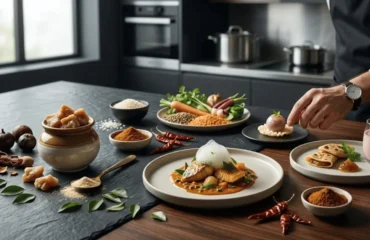

Gujarati cuisine is known for its unique balance of sweet, spicy, tangy, and savory flavors. Among the many ingredients that contribute to this distinctive taste, Hing plays a special role. Also known as Asafoetida, Hing has been a part of traditional Gujarati cooking for generations and continues to be used in homes, restaurants, and food businesses across Gujarat.
From simple dals to elaborate farsan preparations, Hing helps enhance flavor, improve aroma, and create the authentic taste associated with Gujarati food. While many spices contribute to the richness of Gujarati cuisine, Hing remains one of the most important ingredients because of its ability to elevate flavors even when used in very small quantities.
In this guide, we explore the role of Hing in Gujarati cuisine, its traditional applications, and why it remains an essential ingredient in many popular Gujarati dishes.
Why Hing Is Important in Gujarati Cuisine
Gujarati cuisine contains a wide variety of lentil-based dishes, vegetable preparations, snacks, and farsan items. Hing is frequently used because it complements these ingredients exceptionally well.
When added correctly, Hing provides a savory depth that enhances the overall flavor profile of a dish. It works particularly well with lentils, chickpea flour, vegetables, and spice blends that are commonly found in Gujarati cooking.
Many traditional recipes rely on Hing not only for flavor but also because it has historically been considered an important culinary ingredient in vegetarian households.
Traditional Use of Hing in Gujarati Dal
Gujarati Dal is one of the most recognized dishes from the region. Its signature sweet, tangy, and mildly spicy taste depends on a carefully balanced combination of ingredients.
Hing is usually added during the tempering process, where it is briefly heated in oil or ghee along with mustard seeds, cumin seeds, curry leaves, and dried chilies.
This process allows the aroma of Hing to spread throughout the dish, creating a deeper and more rounded flavor profile that defines authentic Gujarati Dal.
Why Hing Works Well in Dal
Lentils have a naturally earthy flavor. Hing complements this taste and helps create the characteristic aroma associated with traditional Gujarati dals.
The result is a dish that feels more balanced, flavorful, and authentic.
Role of Hing in Gujarati Farsan
Farsan is an important category within Gujarati cuisine and includes a variety of snacks and savory preparations.
Popular farsan items such as Khaman, Dhokla, Patra, and Gathiya often use Hing either directly in the batter or within seasoning mixtures.
Even a small quantity can significantly improve the flavor complexity of these products while maintaining their traditional taste profile.
Popular Gujarati Farsan That Uses Hing
- Khaman
- Dhokla
- Patra
- Gathiya
- Sev
- Fafda
Many commercial farsan manufacturers also use Hing to maintain flavor consistency across large production batches.
Hing in Gujarati Vegetable Preparations
Vegetable-based dishes form a major part of Gujarati cuisine. Recipes prepared using potatoes, gourds, beans, peas, and leafy vegetables often include Hing during tempering.
Its aroma blends naturally with turmeric, cumin, coriander, and mustard seeds, creating the familiar taste associated with home-style Gujarati cooking.
Many traditional vegetable dishes rely on Hing to provide depth without overpowering the primary ingredients.
How Hing Is Used During Gujarati Tadka
Tadka or tempering is one of the most important cooking techniques in Gujarati cuisine. The process involves briefly heating spices in oil or ghee before adding them to the dish.
Hing is typically added immediately after mustard seeds and cumin seeds begin to crackle. This allows the spice to release its characteristic aroma without burning.
Proper tempering ensures that Hing distributes evenly throughout the preparation and contributes its signature flavor.
Common Ingredients Used Alongside Hing
- Mustard seeds
- Cumin seeds
- Curry leaves
- Green chilies
- Dried red chilies
- Turmeric
Together, these ingredients create the foundation of many Gujarati dishes.
Why Gujarati Households Continue to Use Hing
Despite changing food trends and modern cooking styles, Hing remains a staple ingredient in Gujarati kitchens. Families continue to use it because it contributes a unique flavor that is difficult to replace with any other spice.
Traditional recipes passed down through generations often include Hing as a core ingredient, helping preserve the authentic taste of Gujarati cuisine.
Its versatility also makes it suitable for a wide variety of dishes, ranging from simple home-cooked meals to festive food preparations.
Hing in Commercial Gujarati Food Production
The popularity of Gujarati snacks and ready-to-eat products has increased significantly in recent years. As a result, food manufacturers continue to use Hing in large-scale production.
Products such as packaged farsan, snack mixes, spice blends, and instant food preparations often include Hing to maintain traditional flavor profiles expected by consumers.
Consistent quality and aroma are particularly important for manufacturers seeking to deliver authentic Gujarati taste at scale.
Frequently Asked Questions About Hing in Gujarati Cuisine
Why is Hing commonly used in Gujarati cuisine?
Hing enhances the flavor of lentils, vegetables, farsan, and spice blends. Its unique aroma contributes significantly to the authentic taste of traditional Gujarati dishes.
Which Gujarati dishes commonly use Hing?
Gujarati Dal, Khaman, Dhokla, Fafda, Patra, Sev, and many vegetable preparations commonly include Hing as part of their seasoning or tempering process.
Can Gujarati food be prepared without Hing?
While many dishes can technically be prepared without Hing, the final flavor profile may differ from traditional recipes. Hing contributes a characteristic aroma that many Gujarati households consider essential.
Conclusion: The Importance of Hing in Gujarati Cuisine
Hing continues to play a vital role in Gujarati cuisine, helping create the distinctive flavors that make the region’s food so popular. Whether used in dal, farsan, vegetable dishes, or commercial food products, Hing contributes aroma, depth, and authenticity.
Its long-standing presence in Gujarati cooking reflects both culinary tradition and practical versatility. As Gujarati cuisine continues to gain popularity across India and international markets, Hing remains one of the key ingredients responsible for its unique and memorable taste.