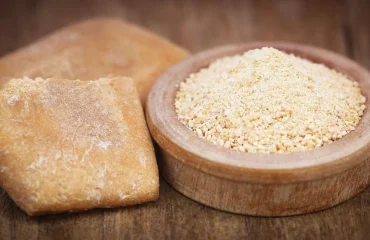
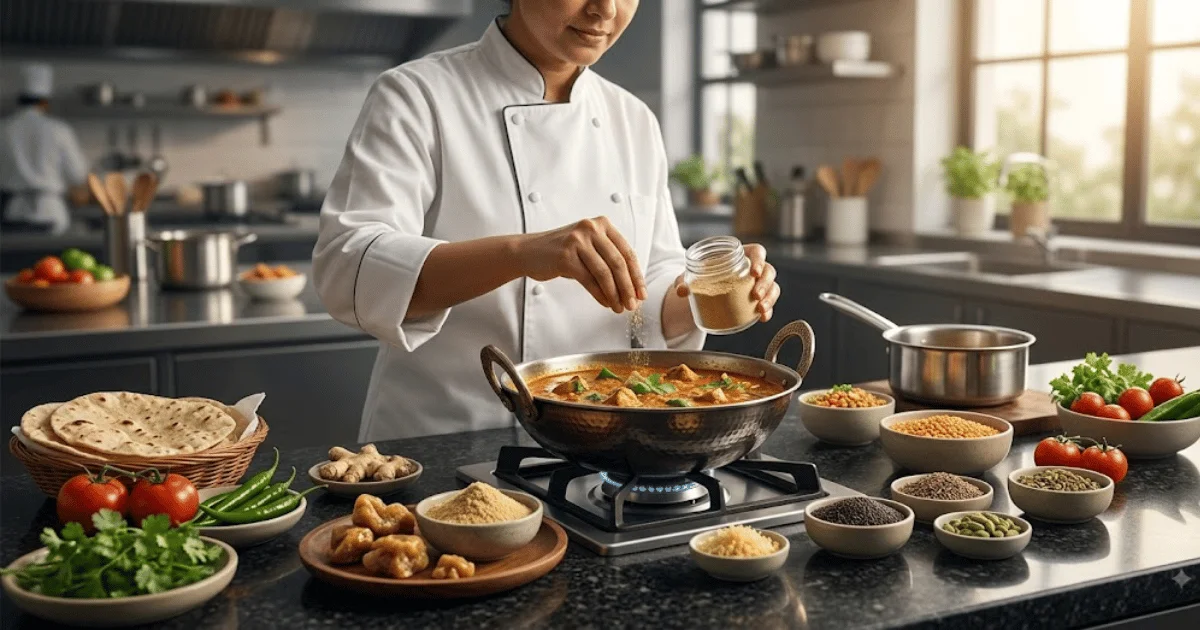
Hing in Jain Cuisine Traditions has played a vital role for centuries by helping create flavorful meals while following the dietary principles of Jainism. Jain cuisine is known for its disciplined approach to food preparation, emphasizing simplicity, purity, and carefully selected ingredients. Since onion and garlic are traditionally avoided in Jain cooking, Hing has become one of the most important ingredients used to enhance flavor and aroma.
Across India, Jain households and food establishments rely on Asafoetida to add depth and complexity to a wide variety of dishes. From lentils and vegetables to snacks and traditional recipes, Hing contributes a distinctive taste that supports authentic Jain culinary practices.
As interest in regional and traditional cuisines continues to grow, understanding the importance of Hing in Jain Cuisine Traditions offers valuable insights for consumers, food manufacturers, retailers, and ingredient suppliers.
Understanding Jain Cuisine Traditions
Jain cuisine is based on principles that emphasize non-violence, mindfulness, and careful ingredient selection. These dietary practices influence how food is sourced, prepared, and consumed.
Traditional Jain recipes avoid ingredients such as onion, garlic, and root vegetables. As a result, cooks rely on spices, herbs, and flavor-enhancing ingredients to create satisfying meals.
Among these ingredients, Hing holds a particularly important position because of its ability to provide flavor complexity without compromising traditional dietary practices.
Why Hing in Jain Cuisine Traditions Is Important
The absence of onion and garlic creates a need for alternative ingredients that can contribute depth and aroma to food preparations. Hing fulfills this role exceptionally well.
Even in small quantities, Asafoetida enhances the overall flavor profile of dishes while blending naturally with other spices.
This unique characteristic explains why Hing in Jain Cuisine Traditions remains essential across generations.
How Hing Replaces Onion and Garlic Flavors
One of the primary reasons for using Hing in Jain cooking is its ability to create savory flavor notes that complement traditional recipes.
While it does not directly replicate onion or garlic, it contributes a richness that helps balance dishes and improve overall taste.
When added during tempering, Hing releases aromatic compounds that integrate throughout the preparation.
Enhanced Flavor Depth
Hing contributes complexity to dishes that would otherwise rely on onion and garlic for flavor development.
Balanced Aroma
Proper use of Hing creates a pleasant aroma that enhances the dining experience.
Traditional Authenticity
Its use supports adherence to established Jain culinary practices.
Popular Jain Dishes That Use Hing
Many traditional Jain recipes incorporate Hing as part of their seasoning foundation.
- Jain Dal Preparations
- Jain Kadhi
- Vegetable Curries
- Farsan Items
- Khichdi Preparations
- Traditional Gujarati Jain Dishes
- Snack Foods
- Festival Recipes
These dishes demonstrate the versatility and importance of Hing within Jain cuisine.
Role of Hing in Tempering Techniques
Tempering is one of the most widely used cooking methods in Jain cuisine. During this process, spices are briefly heated in oil or ghee to release their flavors.
Hing is commonly included because heat transforms its aroma into savory flavor notes that spread throughout the dish.
This simple yet effective technique has remained central to Jain cooking traditions for generations.
Hing in Jain Cuisine Traditions and Regional Variations
Jain communities across India have developed unique regional culinary traditions. Although recipes may vary, Hing remains a common ingredient in many preparations.
Whether in Gujarat, Rajasthan, Maharashtra, or other regions, Asafoetida continues to support authentic Jain flavor profiles.
Its widespread use highlights its importance within diverse Jain food cultures.
Importance of Flavor Balance in Jain Cooking
Jain cuisine emphasizes balanced and harmonious flavors. Rather than relying on intense ingredients, recipes often use carefully selected spice combinations.
Hing works effectively alongside cumin, coriander, turmeric, mustard seeds, and other seasonings commonly found in Jain cooking.
This compatibility helps create satisfying meals while maintaining traditional dietary principles.
Modern Applications of Hing in Jain Food Products
The influence of Jain cuisine now extends beyond household kitchens. Food manufacturers are increasingly developing products designed for consumers seeking Jain-friendly options.
Common applications include:
- Ready-to-cook products
- Jain seasoning blends
- Convenience foods
- Snack seasonings
- Packaged meal solutions
- Traditional food products
Hing remains a key ingredient in many of these formulations because of its flavor-enhancing properties.
Growing Demand for Jain Food Products
Consumer demand for specialized food products continues to increase. Jain-friendly products represent an important segment within the broader food market.
Manufacturers are responding by developing offerings that respect traditional dietary requirements while providing convenience and quality.
This trend is creating new opportunities for ingredient suppliers and food manufacturers alike.
Benefits of Using Hing in Jain Cuisine Traditions
- Enhances flavor without onion and garlic
- Supports traditional cooking practices
- Provides aroma and taste complexity
- Works well with regional spice blends
- Suitable for diverse food applications
- Supports authentic recipe development
- Contributes to consumer satisfaction
These advantages explain why Hing remains one of the most valued ingredients in Jain cooking.
Quality Considerations When Selecting Hing
Manufacturers and consumers seeking quality Asafoetida should evaluate several important factors.
- Aroma consistency
- Flavor performance
- Supplier reliability
- Quality assurance standards
- Batch uniformity
- Packaging integrity
High-quality Hing helps ensure authentic flavor experiences and consistent product performance.
Future of Hing in Jain Cuisine Traditions
The future of Hing in Jain Cuisine Traditions remains strong as interest in traditional food systems and regional culinary heritage continues to grow.
Food manufacturers are increasingly recognizing the value of authentic ingredients that support specialized dietary requirements.
As demand for Jain-friendly products expands, Hing is expected to remain a cornerstone ingredient across both traditional and modern applications.
Conclusion
Hing in Jain Cuisine Traditions continues to play a crucial role in creating flavorful and authentic dishes while respecting the dietary principles of Jainism. Its ability to enhance aroma and flavor without relying on onion or garlic has made it indispensable in Jain cooking.
From traditional household recipes to modern packaged food products, Hing remains an important ingredient that supports culinary authenticity, product innovation, and consumer satisfaction.
RB Industries manufactures premium-quality Asafoetida products designed to support food manufacturers, wholesalers, distributors, exporters, and retail brands seeking reliable ingredient solutions and authentic flavor development.
Frequently Asked Questions
Why is Hing important in Jain cuisine?
Hing enhances flavor and aroma while helping create satisfying dishes without the use of onion and garlic.
Which Jain dishes commonly use Hing?
Jain dal, kadhi, vegetable curries, khichdi, farsan items, and traditional regional recipes frequently use Hing.
Is Hing still used in modern Jain food products?
Yes. Hing is widely used in Jain-friendly seasoning blends, convenience foods, ready-to-cook products, and packaged meal solutions.