
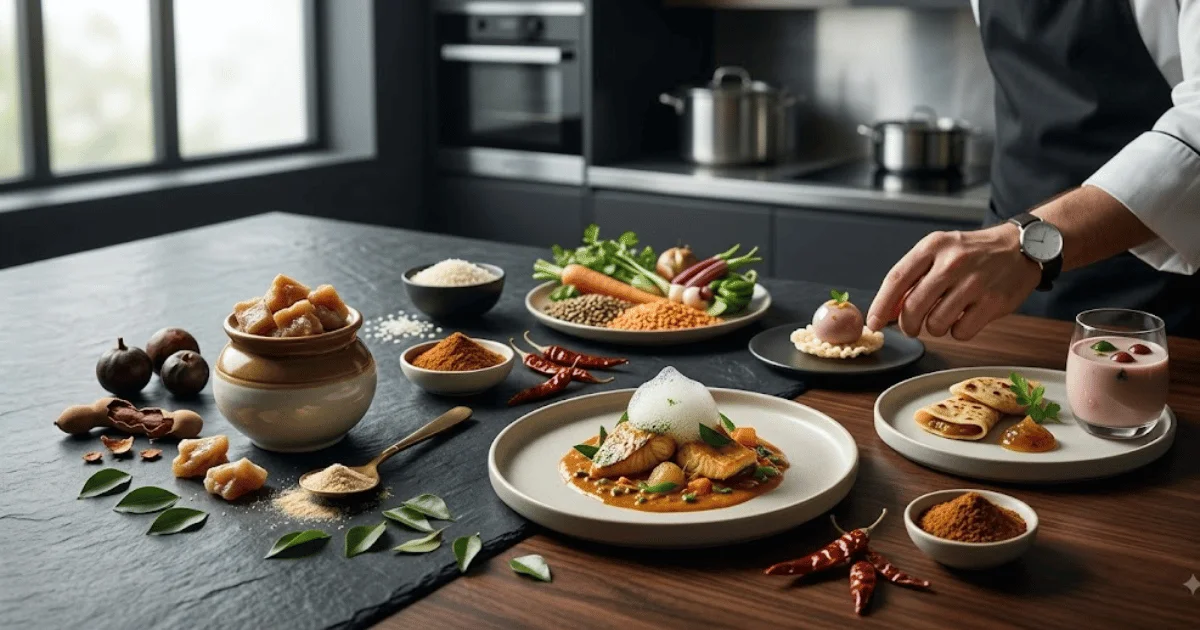
Hing in Maharashtrian Cuisine has been an essential ingredient for generations. Known for its strong aroma and distinctive flavor, Hing plays a significant role in traditional Maharashtrian cooking. From simple household recipes to festive dishes, this ingredient enhances taste while contributing to the authentic character of regional cuisine.
Maharashtra has a rich culinary heritage that varies across regions such as Pune, Konkan, Vidarbha, Marathwada, and Western Maharashtra. Despite these regional differences, Hing remains a common ingredient that brings depth and balance to many preparations. Today, its importance extends beyond traditional kitchens into packaged foods, spice blends, and food manufacturing applications.
As consumer interest in authentic Indian flavors continues to grow, the role of Hing in Maharashtrian Cuisine remains stronger than ever. Understanding how this ingredient is used helps food manufacturers, retailers, distributors, and consumers appreciate its lasting value.
Why Hing in Maharashtrian Cuisine Is Important
Traditional Maharashtrian cooking often relies on simple ingredients that deliver maximum flavor. Hing serves as a powerful flavor enhancer and is commonly added during tempering. Even a small quantity can significantly influence the overall taste of a dish.
The popularity of Hing in Maharashtrian Cuisine comes from its ability to complement lentils, vegetables, spices, and traditional seasoning techniques. It helps create the characteristic flavor profile found in many regional recipes.
For generations, families have considered Hing an indispensable pantry ingredient because of its versatility and ability to elevate everyday meals.
Traditional Uses of Hing in Maharashtrian Cuisine
One of the most common uses of Hing is during the tempering process. It is typically added to hot oil or ghee along with mustard seeds, cumin seeds, curry leaves, and other spices. This process releases its aroma and allows the flavor to spread throughout the dish.
Traditional Maharashtrian households use Hing in a variety of recipes including dals, vegetables, curries, snacks, and festive preparations.
The ingredient is especially valued in vegetarian cooking where it contributes complexity and depth to recipes without overpowering other flavors.
Tempering for Everyday Meals
Many daily dishes begin with a tempering that includes Hing. This technique creates a strong flavor foundation and enhances the overall dining experience.
Use in Lentil Preparations
Lentil-based dishes are central to Maharashtrian cuisine. Hing is frequently used to improve flavor balance and complement traditional spice combinations.
Regional Spice Blends
Several regional seasoning mixtures incorporate Hing as an important flavor component. These blends contribute to the unique identity of Maharashtrian cooking.
Popular Maharashtrian Dishes That Use Hing
Many iconic dishes feature Hing either directly or through seasoning blends.
- Varan
- Amti
- Pithla
- Zunka
- Batata Bhaji
- Usal
- Misal Preparations
- Traditional Lentil Curries
- Vegetable Preparations
- Snack Seasonings
These dishes demonstrate how Hing contributes to the rich and diverse flavor profile of Maharashtrian cuisine.
Flavor Characteristics of Hing in Maharashtrian Cuisine
The flavor of Hing is unique and immediately recognizable. Although its aroma is strong in raw form, it transforms during cooking into a savory and appealing flavor component.
This transformation makes Hing particularly suitable for dishes that require depth without excessive use of multiple ingredients.
When combined with mustard seeds, cumin, turmeric, curry leaves, and other spices, Hing creates the balanced flavor combinations that define many Maharashtrian recipes.
Role of Hing in Vegetarian Cooking
Maharashtrian cuisine includes a large variety of vegetarian dishes. Hing is often used to enhance these preparations and provide additional flavor complexity.
Its versatility allows it to work effectively with lentils, legumes, vegetables, and grains. As a result, it has become one of the most trusted ingredients in traditional vegetarian cooking.
The continued popularity of vegetarian foods has further strengthened demand for quality Hing products across India.
Hing in Maharashtrian Cuisine and Modern Food Manufacturing
The influence of Maharashtrian cuisine now extends beyond traditional kitchens. Food manufacturers are increasingly developing products inspired by regional Indian flavors.
Ready-to-cook foods, seasoning mixes, packaged snacks, and convenience products often use Hing to recreate authentic Maharashtrian taste profiles.
Manufacturers prefer standardized Hing products because they provide consistent flavor performance across large production batches.
This trend has created new opportunities for ingredient suppliers and Hing manufacturers serving the food industry.
Growing Consumer Demand for Authentic Regional Flavors
Consumers today are actively seeking authentic regional food experiences. Traditional Maharashtrian recipes have gained popularity due to their distinctive taste and cultural significance.
As demand grows, food companies are investing in regional flavor development and product innovation. Hing remains one of the key ingredients used to achieve authenticity in these formulations.
This shift is creating increased demand for high-quality Asafoetida products across both domestic and international markets.
Quality Considerations When Selecting Hing
Food manufacturers and distributors should evaluate several factors when sourcing Hing products.
- Consistency of aroma
- Reliable flavor profile
- Quality manufacturing standards
- Food safety compliance
- Packaging quality
- Supplier reliability
- Batch-to-batch uniformity
Choosing a trusted manufacturer helps ensure product performance and customer satisfaction.
Future Demand for Hing in Maharashtrian Cuisine
The future of Hing in Maharashtrian Cuisine looks promising. Traditional foods continue to attract consumers while food manufacturers seek authentic ingredients that help create differentiated products.
Growing urbanization, convenience foods, and increased interest in regional culinary traditions are expected to support long-term demand.
As Indian flavors gain recognition globally, Hing will continue to play a critical role in preserving and promoting the authenticity of Maharashtrian cuisine.
Conclusion
Hing in Maharashtrian Cuisine remains an important part of the region’s culinary identity. Its distinctive aroma, versatility, and ability to enhance flavor have made it indispensable in countless traditional recipes.
From household kitchens to large-scale food manufacturing, Hing continues to contribute to authentic Maharashtrian flavors. As demand for regional foods grows, quality Asafoetida products will remain essential for food manufacturers, distributors, retailers, and consumers alike.
RB Industries manufactures premium-quality Asafoetida products for food manufacturers, wholesalers, distributors, exporters, and retail brands seeking reliable ingredient solutions.
Frequently Asked Questions
Why is Hing important in Maharashtrian Cuisine?
Hing is widely used because it enhances flavor, complements traditional spices, and contributes to the authentic taste of many Maharashtrian dishes.
Which Maharashtrian dishes commonly use Hing?
Popular examples include Varan, Amti, Pithla, Zunka, Batata Bhaji, Usal, and various lentil and vegetable preparations.
Is Hing used in modern food manufacturing?
Yes. Food manufacturers use Hing in seasoning blends, ready-to-cook foods, snack products, and convenience foods to create authentic regional flavor profiles.


