
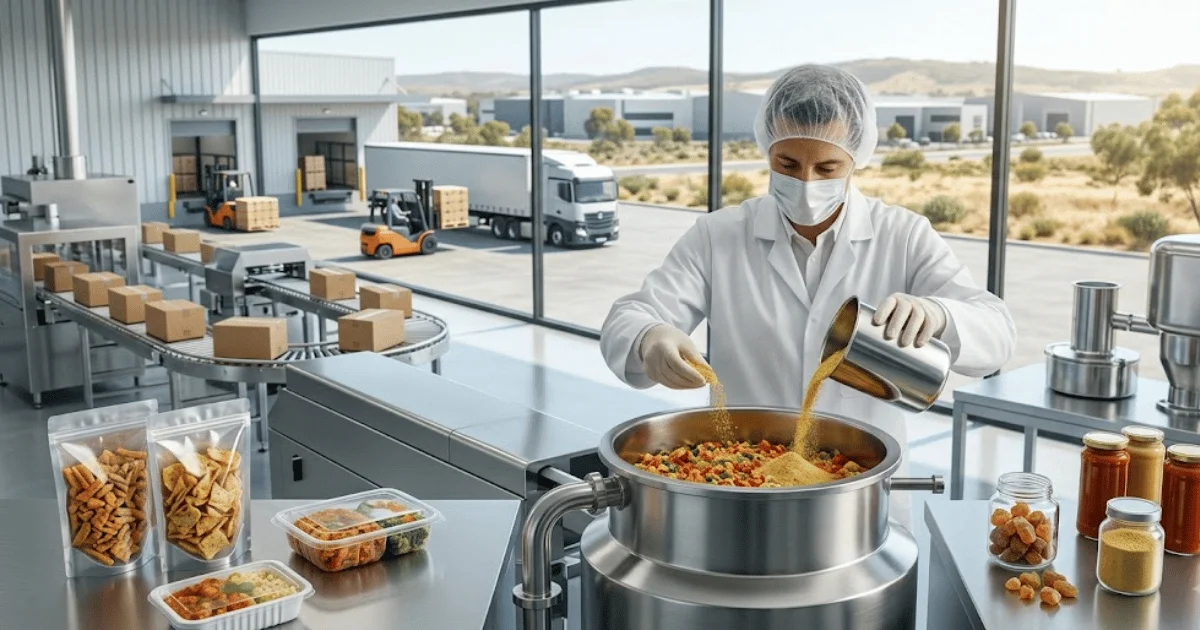
Hing in processed food industry applications has grown significantly over the past decade as manufacturers focus on flavor innovation, product consistency, and consumer satisfaction. Processed foods have become an essential part of modern lifestyles, creating demand for ingredients that can deliver reliable taste, aroma, and performance across large-scale production.
Among the many ingredients used in food manufacturing, Asafoetida, commonly known as Hing, remains highly valued for its distinctive flavor profile and versatility. Traditionally used in Indian kitchens, Hing has evolved into an important ingredient for commercial food production, seasoning systems, spice blends, convenience foods, and ready-to-eat products.
Understanding the role of Hing in processed food industry operations helps manufacturers, distributors, and food businesses recognize its growing importance in modern food production.
Why Hing in Processed Food Industry Applications Is Growing
Consumer demand for flavorful and convenient food products continues to increase worldwide. Processed food manufacturers must balance taste, consistency, efficiency, and scalability while meeting market expectations.
Hing helps manufacturers achieve these objectives by enhancing flavor systems and supporting product consistency.
Its ability to perform effectively in various food formulations has contributed to its growing popularity across multiple processed food categories.
Factors Driving Demand
- Growth of convenience foods
- Expansion of ready-to-eat products
- Increasing demand for authentic flavors
- Growth in seasoning applications
- Expansion of snack food markets
- Rising global interest in Indian cuisine
Applications of Hing in Processed Food Industry
Hing is used across a broad range of processed food categories because of its flavor-enhancing properties and compatibility with complex seasoning systems.
Ready-To-Eat Foods
Ready-to-eat meals require ingredients that maintain flavor consistency throughout production, packaging, and consumption. Hing helps strengthen taste profiles while supporting product quality.
Instant Food Products
Instant noodles, soup mixes, and convenience foods often include Hing as part of seasoning systems designed to create satisfying flavor experiences.
Frozen Foods
Frozen food manufacturers use Hing to help maintain flavor performance after storage and reheating.
Snack Products
Namkeen, savory snacks, pellet snacks, and flavored snack products frequently use Hing-based seasonings.
Spice Blends
Commercial spice blends often incorporate Hing to enhance aroma and create authentic flavor profiles.
Benefits of Hing in Processed Food Industry Manufacturing
Food manufacturers continue to use Hing because it offers several important advantages.
Flavor Enhancement
Hing contributes depth and complexity to food products, helping manufacturers create richer flavor experiences.
Consistency Support
Reliable ingredient performance helps maintain product quality across different production batches.
Versatility
Hing can be used in multiple food categories without requiring major formulation changes.
Consumer Appeal
Products containing balanced seasoning systems often achieve stronger consumer acceptance and repeat purchases.
Why Food Manufacturers Choose Hing
Processed food companies constantly seek ingredients that improve product performance while supporting efficient manufacturing operations.
Hing offers a combination of flavor enhancement, formulation flexibility, and consistency that makes it attractive to food manufacturers.
Its effectiveness in small quantities also helps support cost-efficient product development.
Common Manufacturing Objectives
- Improve flavor consistency
- Enhance seasoning systems
- Create authentic taste profiles
- Support product differentiation
- Maintain quality standards
Role of Hing in Modern Food Innovation
Innovation has become a major growth driver within the processed food industry. Consumers increasingly seek new flavors, unique product experiences, and authentic culinary influences.
Hing supports innovation by allowing manufacturers to develop products with distinctive flavor characteristics.
Its compatibility with traditional and modern food applications makes it valuable for product development teams.
Importance of Quality Hing in Food Manufacturing
The quality of Hing directly influences finished product performance. Consistent aroma, flavor strength, and blending characteristics are essential for successful food manufacturing.
Premium-quality Hing helps manufacturers reduce variability and improve production efficiency.
This reliability is particularly important for brands serving large consumer markets.
Characteristics Manufacturers Look For
- Consistent aroma profile
- Reliable flavor performance
- Stable product specifications
- Supply reliability
- Application flexibility
Future of Hing in Processed Food Industry
The processed food industry is expected to continue expanding as consumers seek convenient, flavorful, and high-quality food products. Manufacturers will increasingly require ingredients that support innovation and consistency.
Hing is likely to remain an important component of seasoning systems, spice blends, and processed food formulations because of its versatility and proven performance.
As global demand for authentic flavor experiences grows, the role of Hing in processed food industry applications is expected to strengthen further.
Frequently Asked Questions About Hing in Processed Food Industry
Why is Hing used in processed food manufacturing?
Hing is used to enhance flavor, support seasoning systems, improve product consistency, and create authentic taste profiles.
Which processed food categories use Hing?
Ready-to-eat foods, instant foods, frozen products, snack foods, spice blends, and seasoning systems commonly use Hing.
Does premium Hing improve processed food quality?
Yes. Premium Hing generally offers more reliable aroma, better flavor consistency, and improved manufacturing performance.
Conclusion
Hing in processed food industry applications continues to grow as manufacturers seek ingredients that deliver flavor, consistency, and flexibility. From ready-to-eat meals and snack foods to seasoning systems and spice blends, Hing plays an important role in helping food companies meet evolving consumer expectations.
As processed food markets continue to expand globally, Hing will remain a valuable ingredient for manufacturers focused on quality, innovation, and long-term growth.
About RB Industries
RB Industries is a trusted manufacturer and supplier of premium Asafoetida products, serving food manufacturers, spice brands, wholesalers, distributors, exporters, and commercial buyers with reliable quality and consistent supply solutions.
Our Hing Brands
Explore our trusted brands including TOTA Gold, Bankey Bihari, Shri Krishna, and Tastekar. Each brand is developed to deliver superior aroma, dependable consistency, and premium quality for retail and commercial applications.
Custom Hing Solutions
RB Industries offers customized Hing solutions including Hing Powder, Hing Granules, Compound Hing, private labeling, bulk packaging, export-grade products, and industry-specific formulations tailored to customer requirements.


