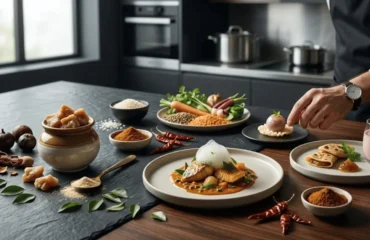
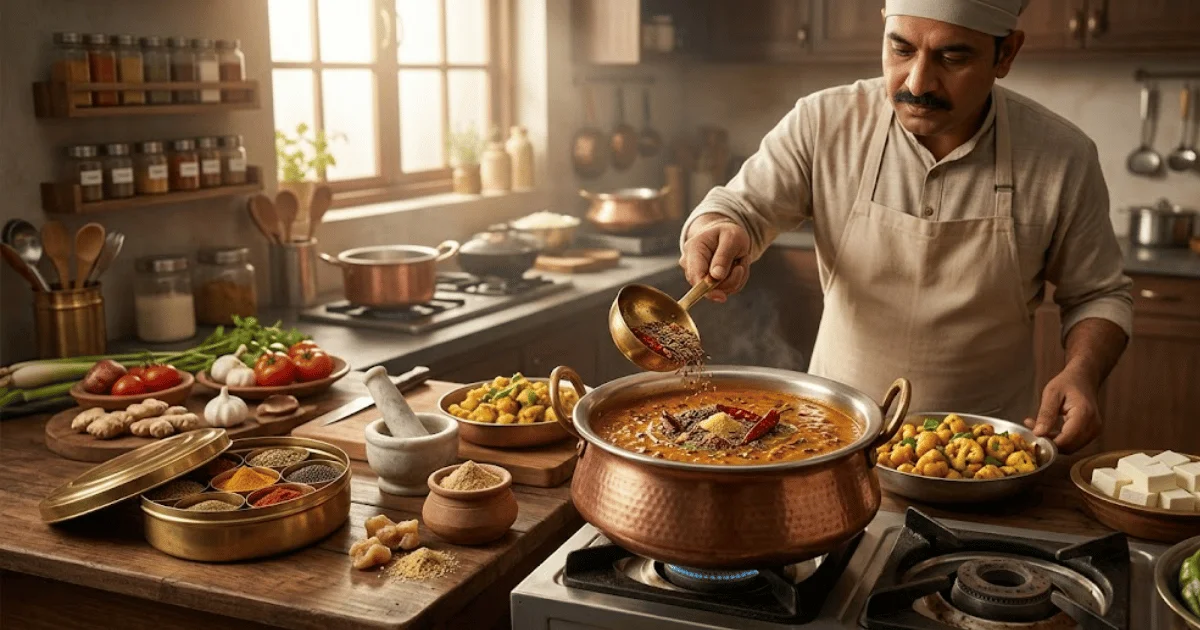
Hing in Punjabi cuisine has been an important ingredient in traditional kitchens for generations. While Punjabi food is often associated with rich gravies, dairy products, and robust spice blends, Asafoetida, commonly known as Hing, plays a subtle yet significant role in enhancing flavor and aroma. Even when used in very small quantities, Hing contributes depth and complexity that elevate many Punjabi dishes.
From comforting dals and dry vegetable preparations to traditional curries and regional recipes, Hing helps create the authentic flavors that define Punjabi cooking. Its ability to blend with cumin, coriander, turmeric, and other spices makes it a valuable ingredient for both home cooks and food manufacturers.
Understanding the role of Hing in Punjabi cuisine provides insight into how traditional ingredients continue to shape one of India’s most popular regional food cultures.
Why Hing in Punjabi Cuisine Remains Important
Punjabi cuisine is known for bold flavors and carefully balanced spice combinations. Many recipes rely on tempering techniques where spices are briefly heated in oil or ghee before being incorporated into the dish.
Hing is often added during this stage because it releases its characteristic aroma when exposed to heat. This process helps distribute flavor evenly and creates a deeper taste profile throughout the preparation.
Although modern cooking techniques have evolved, Hing continues to remain a trusted ingredient in traditional Punjabi households.
Use of Hing in Punjabi Dal Preparations
Dal is one of the most common foods served across Punjab. Whether it is Dal Tadka, Dal Fry, Chana Dal, or mixed lentil preparations, Hing is frequently used to enhance flavor and aroma.
When added during tempering, Hing works particularly well with lentils because it contributes savory depth without overpowering the natural taste of the ingredients.
Many traditional Punjabi recipes consider Hing an essential component of a well-balanced dal.
Popular Punjabi Dals That Use Hing
- Dal Tadka
- Dal Fry
- Chana Dal
- Moong Dal
- Mixed Dal Preparations
- Traditional Home-Style Dal
These dishes demonstrate how Hing contributes to authentic Punjabi flavor profiles.
Hing in Punjabi Sabzi and Vegetable Dishes
Punjabi cuisine includes a wide variety of vegetable preparations ranging from dry sabzis to rich gravy-based dishes. Hing is often incorporated into the seasoning process to enhance the overall taste experience.
It works especially well with potatoes, cauliflower, peas, beans, and lentil-based vegetable recipes commonly prepared in Punjabi households.
The ingredient complements traditional spice blends while contributing additional depth and aroma.
Common Punjabi Vegetables Prepared with Hing
- Aloo Sabzi
- Aloo Gobhi
- Matar Preparations
- Seasonal Vegetable Curries
- Mixed Vegetable Dishes
Role of Hing in Punjabi Tadka
Tadka is one of the most important cooking techniques used in Punjabi cuisine. It involves heating spices in oil, ghee, or butter to release their flavors before adding them to a dish.
Hing is commonly added after cumin seeds begin to crackle. This timing allows the spice to release its aroma while avoiding excessive heating that could affect flavor quality.
The resulting tempering helps create the rich and satisfying taste associated with many Punjabi recipes.
Ingredients Commonly Used with Hing in Punjabi Tadka
- Cumin seeds
- Turmeric
- Coriander powder
- Red chili powder
- Green chilies
- Ghee or oil
Together, these ingredients form the flavor foundation of numerous Punjabi dishes.
Hing in Traditional Punjabi Curries
Many Punjabi curries rely on layered flavors developed through careful cooking techniques. Hing helps strengthen these flavor profiles by adding subtle savory notes.
Whether used in lentil curries, vegetable gravies, or traditional home-style recipes, Hing contributes to the depth and authenticity of the final dish.
Its compatibility with a wide range of spices makes it particularly valuable in Punjabi cooking.
How Restaurants Use Hing in Punjabi Cuisine
Restaurants serving Punjabi food often use Hing to maintain flavor consistency across multiple dishes. Because the ingredient works effectively in small quantities, it helps chefs create recognizable taste profiles while preserving recipe authenticity.
Commercial kitchens also appreciate its ability to blend seamlessly with traditional spice combinations.
As Punjabi cuisine continues to gain popularity worldwide, Hing remains an important ingredient in restaurant operations and food service businesses.
Benefits of Using Hing in Punjabi Cuisine
There are several reasons why Hing remains a valued ingredient across Punjabi cooking traditions.
- Enhances flavor depth
- Supports authentic taste profiles
- Complements lentils and vegetables
- Works well in tempering techniques
- Blends effectively with traditional spices
- Suitable for household and commercial cooking
These benefits have contributed to its continued use across generations.
Hing in Modern Punjabi Food Manufacturing
The growing popularity of packaged Punjabi foods has increased demand for authentic flavor ingredients. Manufacturers producing ready-to-eat meals, spice mixes, frozen foods, and convenience products often use Hing to recreate traditional taste profiles.
Consistency is critical in food manufacturing, and high-quality Hing helps businesses maintain reliable flavor performance across production batches.
This trend highlights the continued relevance of traditional ingredients within modern food innovation.
Frequently Asked Questions About Hing in Punjabi Cuisine
Why is Hing used in Punjabi cuisine?
Hing enhances flavor, contributes aroma, and complements the lentils, vegetables, and spice blends commonly used in Punjabi cooking.
Which Punjabi dishes commonly use Hing?
Dal Tadka, Dal Fry, Chana Dal, vegetable curries, sabzis, and traditional tempering preparations frequently include Hing.
Can Punjabi food be prepared without Hing?
Yes, but many traditional recipes may lose part of their authentic flavor profile because Hing contributes a unique aroma and savory depth.
Conclusion
Hing in Punjabi cuisine continues to play a valuable role in preserving traditional flavors and enhancing everyday cooking. From classic dals and vegetable dishes to restaurant recipes and commercial food products, Asafoetida remains a trusted ingredient that contributes depth, aroma, and authenticity.
As Punjabi cuisine continues to gain recognition across India and international markets, Hing will remain an important part of the culinary traditions that make these dishes so memorable and widely loved.
About RB Industries
RB Industries is a trusted manufacturer and supplier of premium Asafoetida products, serving food manufacturers, spice brands, wholesalers, distributors, retailers, and export markets with consistent quality and dependable supply solutions.
Our Hing Brands
Explore our premium Hing brands including TOTA Gold, Bankey Bihari, Shri Krishna, and Tastekar. Each brand is developed to deliver exceptional aroma, superior flavor consistency, and dependable quality for households and commercial food businesses.
Custom Hing Solutions
RB Industries offers customized Hing solutions including Hing Powder, Hing Granules, private labeling, bulk packaging, custom aroma profiles, and industry-specific formulations designed to meet the unique requirements of food manufacturers, spice brands, and distributors.