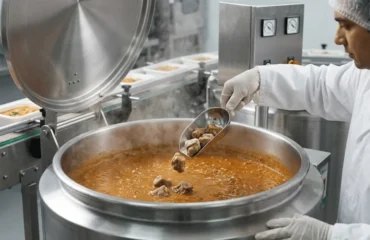

Hing in South Indian cuisine has been an essential ingredient for generations. From traditional sambar and rasam to chutneys, poriyal, kootu, and various lentil-based dishes, Hing plays a crucial role in creating the authentic flavors that define South Indian food. Although used in small quantities, its aroma and flavor significantly influence the final taste of a dish.
Across Tamil Nadu, Karnataka, Andhra Pradesh, Telangana, and Kerala, Asafoetida continues to be a trusted spice in both home kitchens and commercial food production. The unique ability of Hing to blend with mustard seeds, curry leaves, lentils, and spices makes it one of the most valuable ingredients in South Indian cooking.
Understanding how Hing in South Indian cuisine is used helps food enthusiasts, restaurants, spice manufacturers, and food businesses appreciate its importance in regional culinary traditions.
Why Hing in South Indian Cuisine Is So Important
South Indian cooking relies heavily on lentils, vegetables, rice-based preparations, and carefully balanced spice combinations. Hing helps connect these ingredients by contributing depth and aroma to the final dish.
Unlike many spices that dominate a recipe, Hing works in the background. It enhances the overall flavor profile without overpowering other ingredients. This characteristic makes it particularly valuable in traditional South Indian recipes.
The spice is commonly added during tempering, allowing its aroma to spread evenly throughout the preparation.
Use of Hing in South Indian Sambar
Sambar is one of the most recognized dishes in South India. Prepared using lentils, vegetables, tamarind, and spices, it depends on proper seasoning to achieve its characteristic flavor.
Hing is often added during the tempering process along with mustard seeds, curry leaves, and dried red chilies. This combination creates the aromatic base that distinguishes authentic sambar from ordinary lentil preparations.
Many households consider Hing indispensable for achieving traditional sambar flavor.
Why Hing Works Well in Sambar
- Enhances lentil-based flavors
- Supports spice balance
- Improves aroma
- Complements tamarind-based recipes
- Creates authentic regional taste
Role of Hing in Rasam Preparation
Rasam is another iconic South Indian dish known for its light consistency and complex flavor profile. Hing contributes significantly to the aroma and taste of rasam.
Because rasam contains a combination of spices, tamarind, and herbs, Hing helps unify these ingredients and create a more balanced flavor experience.
Traditional rasam recipes across different regions frequently include Hing as part of their seasoning process.
Hing in South Indian Chutneys and Spice Mixes
South Indian cuisine includes a wide variety of chutneys and spice powders that accompany daily meals. Hing is commonly incorporated into these preparations to enhance flavor and improve overall taste complexity.
Whether used in coconut chutney tempering or regional spice blends, Hing contributes a subtle but important flavor dimension.
Many commercial spice manufacturers also include Hing in seasoning formulations inspired by traditional South Indian recipes.
Popular Preparations Using Hing
- Coconut chutney
- Tomato chutney
- Gunpowder spice mix
- Lentil-based chutneys
- Traditional podi blends
How Hing Is Used During South Indian Tadka
Tempering, commonly known as tadka, is one of the most important cooking techniques in South Indian cuisine. Hing is usually added after mustard seeds begin to crackle in hot oil.
This brief heating process allows the spice to release its characteristic aroma while preventing excessive browning or flavor loss.
The resulting seasoning is then added to dals, curries, vegetable dishes, chutneys, and rice preparations.
Hing in Commercial South Indian Food Manufacturing
The growing popularity of South Indian food products has increased demand for authentic ingredients. Food manufacturers producing ready-to-eat meals, instant mixes, spice blends, and restaurant-style products frequently use Hing to maintain traditional flavor profiles.
Consistency is especially important in commercial production. High-quality Hing helps manufacturers deliver reliable flavor across multiple batches.
As demand for regional cuisine continues to grow globally, Hing remains an important ingredient in South Indian food manufacturing.
Benefits of Using Hing in South Indian Cuisine
There are several reasons why Hing continues to be valued across South Indian cooking traditions.
- Enhances overall flavor
- Supports authentic taste profiles
- Works well with lentils and vegetables
- Complements traditional spice combinations
- Suitable for household and commercial cooking
- Used across multiple recipe categories
These advantages have helped Hing remain an integral ingredient in regional cuisine for generations.
Traditional South Indian Dishes That Commonly Use Hing
Many popular dishes rely on Hing as part of their flavor foundation.
- Sambar
- Rasam
- Kootu
- Poriyal
- Chutneys
- Podi blends
- Lentil curries
- Vegetable preparations
Although recipes vary across regions, the importance of Hing remains remarkably consistent.
Frequently Asked Questions About Hing in South Indian Cuisine
Why is Hing used in South Indian cuisine?
Hing enhances flavor, contributes aroma, and complements lentil-based dishes, chutneys, and traditional spice combinations commonly used in South Indian cooking.
Which South Indian dishes use Hing?
Sambar, rasam, chutneys, kootu, poriyal, podi blends, and various vegetable and lentil preparations commonly include Hing.
Can South Indian food be prepared without Hing?
Yes, but many traditional recipes may lose part of their authentic flavor profile because Hing contributes a distinctive aroma and taste that is difficult to replicate.
Conclusion
Hing in South Indian cuisine continues to play a vital role in preserving authentic regional flavors. From sambar and rasam to chutneys and spice blends, this versatile ingredient contributes aroma, depth, and complexity to countless dishes.
As South Indian cuisine gains popularity worldwide, Hing remains one of the key ingredients responsible for the unique taste experiences that have made these culinary traditions so beloved across generations.
About RB Industries
RB Industries is a trusted manufacturer and supplier of premium Asafoetida products, serving food manufacturers, spice brands, wholesalers, distributors, retailers, and export markets with consistent quality Hing solutions.
Our Hing Brands
Explore our trusted brands including TOTA Gold, Bankey Bihari, Shri Krishna, and Tastekar. Each brand is developed to deliver superior aroma, consistent flavor, and reliable quality for households and commercial food businesses.
Custom Hing Solutions
RB Industries offers customized Hing solutions including Hing Powder, Hing Granules, private labeling, bulk packaging, custom aroma profiles, and industry-specific formulations designed for food manufacturers, spice companies, and commercial buyers.