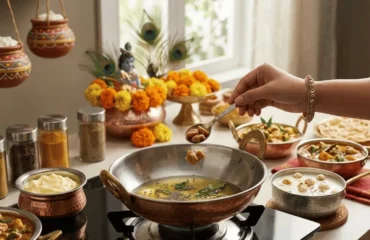

Why technique decides flavour more than the brand you buy
The 10-second step that makes or breaks your dish
If you know how to temper hing, you can turn simple dal, potatoes, or curd gravies into restaurant-quality plates. Get this step wrong and the spice tastes raw or bitter; get it right and the aroma feels warm, round, and balanced.
What you’ll master in minutes
You’ll learn the exact heat level, the order of ingredients, the right oil/ghee choice, and how to scale for HoReCa—plus dish-specific tips for a reliable hing tadka.
The default method professional kitchens use
Off-flame bloom (your always-works baseline)
-
Heat ghee or a ghee-oil mix on medium.
-
Slide the pan off the flame.
-
Add a measured pinch of hing.
-
Immediately add cumin or mustard.
-
Return to low heat and add the main ingredient.
This sequence is the core of hing tempering. It protects delicate top-notes and prevents scorching.
How much to use (start safe, adjust later)
-
Home pot (4–6 servings): ⅛–¼ teaspoon.
-
Curd-based gravies: start smaller.
-
HoReCa: build a 1–2 L test, record the dose, then scale by taste (not math alone).
Oils, ghee, and the flavour you’ll get
Ghee for soft, rounded aroma
Ghee carries the spice gracefully—best for dal, lauki, peas, and kadhi.
Neutral oils for high-heat snacks
A ghee-oil mix handles batters and fritters. Bloom off-flame, then fold the flavoured fat into the batter: that’s how to make tadka with hing without harshness.
Coconut or mustard oil for regional plates
Bloom off-flame as always; the base oil adds its own character for South/North styles.
Timing by dish (so your top-notes don’t vanish)
At the end for a bright finish
For hing tadka dal, finish by pouring the temper over cooked dal just before serving. Aroma meets you at the table.
At the start for full-pot carry
For rasam, sambar, or lauki sabzi, bloom first, then add cumin/mustard, then the base. The savoury note spreads evenly.
In the batter for even snacks
Bloom in a spoon of oil/ghee and fold into cheela/pakora batter so every piece tastes consistent.
Pure vs compounded: handle both confidently
Pure (tiny dose, quick reward)
Use a smaller pinch and the strict off-flame rule. If it turns sharp, you either used too much or stayed on heat too long.
Compounded (forgiving & consistent)
Great for big pans and new cooks. If it feels weak, check freshness and raise fat temperature (still bloom off-flame).
Scaling for service without losing aroma
The simple logging habit that keeps taste steady
For each pot size, note: oil type, heat level, bloom time, and exact pinch. Repeat the same micro-steps. In busy kitchens, this tiny log stabilizes flavour across shifts.
Common mistakes—and fast fixes
Raw smell won’t go
Under-tempered. Re-bloom a micro-pinch in hot ghee and fold into the hot dish.
Bitter aftertaste
Too hot or too long on heat. Bloom off-flame for a shorter moment and reduce the pinch.
Flat, dull flavour
Tadka went in too early and boiled away. Add a tiny fresh temper at the end and brighten with lemon.
Storage & handling that protect your hard work
Treat it like perfume
Keep a small working jar, sealed backup, cool dark storage, and dry spoons. Measure first; open/close fast. Technique plus storage = reliable hing tadka.
Key takeaways you can cook with tonight
— Off-flame bloom prevents bitterness and keeps aroma clean.
— Ghee for soft warmth; neutral oils for snacks; always bloom off-flame.
— Dose tiny, log results, and scale by taste.
— Finish dal with temper; start gravies with temper; fold into batters for even snacks.
Order reliable, fresh Hing from RB Industries (asafoetida.co.in)
For consistent aroma in homes, restaurants, and temples, source your stock from RB Industries — A Leading Asafoetida Manufacturer & Exporter. Share your grade, pack size, and monthly volume; we’ll recommend the exact fit and schedule deliveries so your pantry never runs out.
FAQs
What’s the one rule that guarantees a clean, no-bitter temper?
Slide the pan off the flame before adding the spice. That off-flame bloom is the heart of how to temper hing. Add cumin or mustard immediately, then return to low heat and move to the main ingredient.
How do I make a perfect hing tadka dal every time?
Cook dal fully. In a small pan, heat ghee, go off-flame, add a tiny pinch, then cumin/green chilli. Return to low for a few seconds and pour over the dal right before serving. This keeps the top-note fresh and avoids harshness.
Can I do the temper directly in the curry instead of a separate pan?
Yes—when starting gravies. Heat fat, go off-flame, add hing, follow with cumin/mustard, then add onions/tomatoes or vegetables. For finishing a dish, use a small separate pan so the aroma stays sharp.
What’s the safest oil or fat for hing tempering at home?
Ghee is the most forgiving and gives a rounded aroma. For neutral flavour or high-heat snacks, use a ghee-oil mix. Mustard/coconut oils add regional character; still bloom off-flame to protect the spice.
How do I rescue a temper that went bitter?
Discard it. Start again with lower heat, strict off-flame bloom, and a smaller pinch. If the dish already has the bitter tadka, add lemon and a fresh micro-bloom to soften the edge, but replacing the temper is best.