
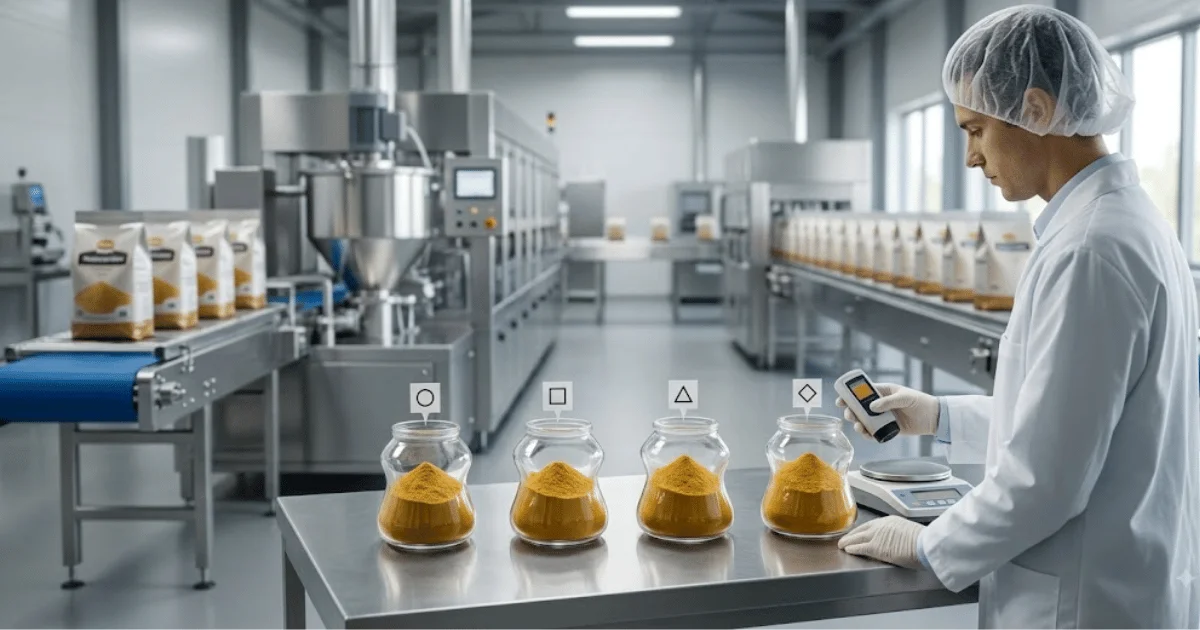
Ingredient consistency management is one of the most important aspects of modern food manufacturing. Consumers expect every product they purchase to deliver the same taste, aroma, texture, and overall experience. Whether it is a spice blend, snack product, ready-to-eat meal, seasoning mix, or food ingredient, consistency plays a crucial role in maintaining customer trust and brand reputation.
For food manufacturers, even small variations in ingredient quality can lead to noticeable differences in finished products. This is why companies invest significant resources in ingredient consistency management systems that help ensure stable product performance across production batches.
As competition in the food industry continues to increase, effective ingredient consistency management has become essential for maintaining quality standards and achieving long-term business success.
What Is Ingredient Consistency Management?
Ingredient consistency management refers to the processes and controls used to ensure that raw materials perform consistently throughout manufacturing operations.
The goal is to minimize variations that may affect flavor, aroma, appearance, texture, and product quality.
By implementing effective consistency management practices, manufacturers can deliver reliable products that meet customer expectations every time.
Why Ingredient Consistency Management Is Important
Consumers expect consistency from brands they trust. If a product tastes different each time it is purchased, customer confidence can quickly decline.
Ingredient consistency management helps manufacturers maintain predictable outcomes and reduce quality-related risks.
It also supports operational efficiency by minimizing production adjustments and quality issues.
Benefits of Consistent Ingredients
- Improved product quality
- Better customer satisfaction
- Reduced manufacturing variability
- Stronger brand reputation
- More efficient production processes
- Lower risk of product complaints
Challenges in Ingredient Consistency Management
Maintaining consistency is not always simple. Manufacturers often face multiple challenges that can influence ingredient performance.
Raw Material Variability
Agricultural ingredients may naturally vary depending on growing conditions, harvesting practices, and sourcing regions.
Supply Chain Factors
Changes in suppliers, transportation conditions, and storage environments can impact ingredient quality.
Processing Differences
Variations during processing may affect the final characteristics of ingredients used in food production.
These challenges make consistency management a critical business function.
Ingredient Consistency Management in the Spice Industry
The spice industry relies heavily on consistency because flavor and aroma directly influence customer satisfaction. Variations in spice quality can significantly affect finished products.
Ingredients such as Asafoetida, commonly known as Hing, require careful quality control to ensure stable performance across different applications.
Manufacturers often implement strict quality standards to maintain consistency in spice ingredients.
Importance for Hing Manufacturers
Consistent aroma, flavor strength, particle size, and blending quality are essential factors in Asafoetida production.
Reliable consistency helps manufacturers serve food processors, spice brands, and commercial buyers more effectively.
How Manufacturers Achieve Ingredient Consistency
Food manufacturers use multiple strategies to improve consistency throughout production operations.
Supplier Qualification
Working with reliable suppliers helps reduce ingredient variability and improve quality control.
Standardized Specifications
Clear ingredient specifications help ensure that suppliers deliver products meeting defined requirements.
Quality Testing
Routine testing helps identify potential issues before ingredients enter production.
Documentation Systems
Accurate records support traceability and improve consistency monitoring across supply chains.
Role of Ingredient Consistency Management in Product Development
Product development teams depend on consistent ingredients when creating new food products. Variability can make formulation work more difficult and affect product performance.
Stable ingredients allow manufacturers to develop products more efficiently and achieve predictable results during commercialization.
This is particularly important in competitive markets where speed and quality are both critical.
Why Ingredient Consistency Supports Brand Growth
Brands build customer loyalty by delivering dependable experiences. Consumers often repurchase products because they know what to expect.
Ingredient consistency management supports this trust by helping manufacturers maintain product reliability.
Over time, consistency can become a major competitive advantage.
Business Benefits
- Higher customer retention
- Improved market reputation
- Reduced quality complaints
- Stronger distributor relationships
- Greater operational efficiency
Future of Ingredient Consistency Management
As food manufacturing becomes more advanced, consistency management will continue to grow in importance. Manufacturers are increasingly investing in quality systems, supplier partnerships, and process controls that support stable ingredient performance.
Consumers are also becoming more quality-conscious, increasing pressure on brands to maintain high standards.
Companies that prioritize ingredient consistency are likely to achieve stronger long-term growth and customer loyalty.
Frequently Asked Questions About Ingredient Consistency Management
What is ingredient consistency management?
Ingredient consistency management involves systems and processes designed to ensure that raw materials perform consistently across manufacturing operations.
Why is ingredient consistency important?
Consistency helps manufacturers maintain product quality, improve customer satisfaction, and reduce production variability.
How do food manufacturers improve ingredient consistency?
Manufacturers use supplier qualification, quality testing, standardized specifications, documentation systems, and process controls to improve consistency.
Conclusion
Ingredient consistency management is essential for maintaining quality, efficiency, and customer trust in food manufacturing. As consumer expectations continue to rise, manufacturers must focus on consistency throughout their supply chains and production operations.
By investing in reliable suppliers, quality control systems, and standardized processes, businesses can reduce variability and deliver products that consistently meet market expectations.
About RB Industries
RB Industries is a trusted manufacturer and supplier of premium Asafoetida products, serving food manufacturers, spice brands, wholesalers, distributors, exporters, and commercial buyers with reliable quality and consistent supply solutions.
Our Hing Brands
Explore our trusted brands including TOTA Gold, Bankey Bihari, Shri Krishna, and Tastekar. Each brand is developed to deliver superior aroma, dependable consistency, and premium quality for both retail and commercial applications.
Custom Hing Solutions
RB Industries offers customized Hing solutions including Hing Powder, Hing Granules, Compound Hing, private labeling, bulk packaging, export-grade products, and industry-specific formulations tailored to customer requirements.