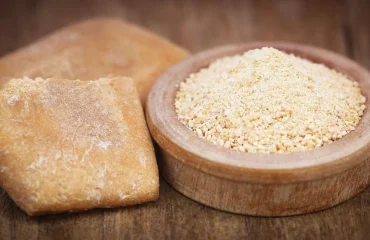

For food manufacturers and bulk buyers, choosing the right hing (asafoetida) is not just about flavor — it is a business decision that directly affects product quality, cost efficiency, and customer satisfaction. One of the most common questions faced by manufacturers is whether to use low cost hing or invest in premium quality hing.
At first glance, low cost hing may seem like a better option due to immediate savings. However, the long-term impact on production, consistency, and brand reputation often tells a different story. Understanding the real difference between low cost and premium hing can help businesses make smarter purchasing decisions.
Understanding the Difference Between Low Cost and Premium Hing
The primary difference lies in quality, purity, and performance.
Low cost hing usually contains a higher percentage of fillers and lower resin content. This reduces its strength and consistency. On the other hand, premium hing is made with better quality resin and controlled blending, resulting in stronger aroma and more reliable performance.
While both types may appear similar in raw form, their behavior during manufacturing and final product output can be significantly different.
Why Price Alone Can Be Misleading
Many manufacturers make purchasing decisions based purely on price per kilogram. However, hing is used in very small quantities, and its effectiveness matters more than its cost.
Low cost hing often requires higher usage to achieve the desired flavor, which can offset the initial savings. In contrast, premium hing delivers strong flavor even in smaller quantities, making it more efficient in the long run.
This means that the actual cost should be evaluated based on cost per batch, not just cost per kilogram.
Impact on Taste and Product Quality
Premium hing provides a consistent and well-balanced flavor that enhances the overall taste of the product. It blends smoothly with other spices and maintains its aroma even after processing.
Low cost hing, however, may produce inconsistent results. Some batches may have weak flavor, while others may taste different due to variation in quality. This inconsistency can affect the final product and lead to customer dissatisfaction.
Consistency and Batch Stability
For manufacturers, maintaining consistent taste across batches is critical. Premium hing is processed under controlled conditions, ensuring uniform quality in every batch.
Low cost hing often lacks this consistency, especially when sourced from multiple suppliers. This results in frequent adjustments in recipes and production processes.
Consistency is not just about quality — it is about maintaining a reliable brand identity.
Effect on Production Efficiency
Using low cost hing can increase production complexity. Manufacturers may need to adjust spice ratios frequently to compensate for inconsistent flavor.
This leads to:
- Increased production time
- Higher chances of error
- Additional labor effort
Premium hing simplifies the process by delivering predictable results, allowing manufacturers to maintain smooth and efficient operations.
Long-Term Business Impact
While low cost hing may reduce immediate expenses, it can create long-term challenges such as inconsistent product quality, customer complaints, and reduced repeat sales.
Premium hing supports business growth by ensuring stable product quality and better customer satisfaction. This leads to stronger brand reputation and increased market trust.
When Low Cost Hing May Be Suitable
Low cost hing can be used in products where hing is not a dominant flavor or where cost sensitivity is extremely high. For example, in certain low-margin products, manufacturers may prioritize cost over flavor intensity.
However, even in such cases, consistency should not be compromised.
When Premium Hing Is the Better Choice
Premium hing is ideal for products where flavor consistency and quality are critical. This includes:
- Branded snack products
- Export-quality food items
- High-end spice blends
- Products targeting repeat customers
In these cases, investing in premium hing helps maintain product standards and customer expectations.
How to Make the Right Decision for Your Business
Choosing between low cost and premium hing depends on your product type, target market, and business goals.
Manufacturers should consider:
- Required flavor intensity
- Importance of consistency
- Production scale
- Target customer expectations
- Long-term brand positioning
Instead of focusing only on price, businesses should evaluate overall value and performance.
Practical Tip: Compare Based on Performance Not Price
The best way to decide is by testing both types in actual production conditions. Compare:
- Flavor strength
- Aroma retention after cooking
- Batch consistency
- Cost per batch
This provides a clear understanding of which option delivers better results for your specific application.
Conclusion
Choosing between low cost and premium hing is not just a pricing decision — it is a strategic choice that affects product quality, efficiency, and brand success. While low cost hing may offer short-term savings, premium hing provides long-term benefits through consistency, better flavor, and improved customer satisfaction.
For manufacturers aiming to build a strong and reliable brand, investing in the right hing quality is a decision that pays off over time.
Contact RB Industries | Leading Hing Manfacturer
About RB Industries
RB Industries is a leading manufacturer and supplier of hing (asafoetida), delivering consistent and high-performance solutions for food manufacturers, spice brands, and bulk buyers. With a strong focus on quality and reliability, we provide hing that ensures stable aroma, uniform taste, and efficient performance in large-scale production.
We offer complete B2B solutions including bulk supply, customized hing formulations, and private labeling services for businesses looking to build their own brand. Our expertise helps clients select the right hing based on product requirements, ensuring better consistency and cost efficiency.
Understanding the difference between low cost and premium hing, we focus on delivering products that provide better performance and long-term value rather than just price-based solutions . RB Industries is committed to maintaining supply consistency, reducing production challenges, and supporting businesses in achieving reliable product quality and growth.
FAQs
What does RB Industries specialize in?
RB Industries specializes in manufacturing and supplying high-quality hing along with customized and private label solutions for businesses
Do you provide both low cost and premium hing options?
Yes we offer different hing options based on business needs while focusing on consistency and performance
Can RB Industries help in private labeling?
Yes we provide private label hing solutions including customized packaging and product formulation
How do you ensure product consistency?
We follow strict quality control and standardized processes to maintain uniform aroma and performance
Who can work with RB Industries?
We work with snack manufacturers spice companies food processors and export businesses looking for reliable hing supply