
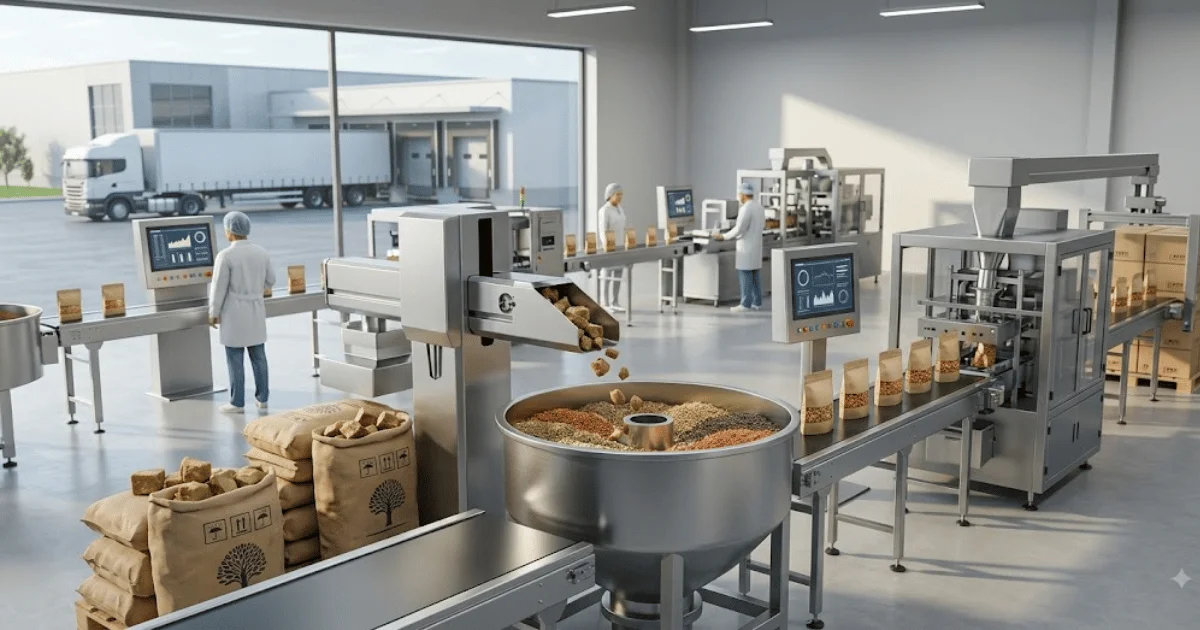
Processed Food Industry and Hing Demand are becoming increasingly interconnected as global consumers seek convenient, flavorful, and high-quality food products. The processed food sector has experienced remarkable growth over the last decade due to changing lifestyles, urbanization, increasing disposable incomes, and evolving consumer preferences. As food manufacturers strive to deliver authentic taste experiences, ingredients such as Hing have become essential components of modern food production.
Hing, also known as Asafoetida, has long been recognized for its distinctive aroma and flavor-enhancing properties. Traditionally used in Indian cooking, it is now finding broader applications in processed foods, seasoning blends, convenience meals, snack products, and ready-to-cook formulations.
Understanding the relationship between the processed food industry and Hing demand provides valuable insights for food manufacturers, distributors, exporters, wholesalers, and ingredient suppliers.
Growth of the Processed Food Industry
The processed food industry continues to expand across domestic and international markets. Consumers increasingly seek products that offer convenience without compromising on taste, quality, or consistency.
Busy lifestyles have encouraged demand for ready-to-eat meals, instant foods, packaged snacks, seasoning blends, frozen foods, and meal kits. These categories rely heavily on ingredient innovation to deliver appealing sensory experiences.
As a result, food ingredient suppliers play a critical role in supporting industry growth and product development.
Why the Processed Food Industry and Hing Demand Are Connected
Flavor is one of the most important factors influencing food purchasing decisions. Consumers expect processed foods to deliver authentic and satisfying taste experiences.
Hing contributes unique aroma and flavor characteristics that help manufacturers create products with greater depth and complexity. Its ability to complement spices and seasoning systems makes it particularly valuable in processed food applications.
As the processed food sector grows, demand for high-quality Hing products continues to increase.
Role of Hing in Modern Food Manufacturing
Food manufacturers use Hing across multiple product categories because of its versatility and strong sensory impact.
Common applications include:
- Ready-to-cook foods
- Instant soup mixes
- Snack seasonings
- Spice blends
- Convenience foods
- Regional food products
- Frozen meal solutions
- Packaged food formulations
These applications demonstrate how Hing supports flavor development in modern food manufacturing.
Consumer Demand for Authentic Flavors
Today’s consumers are increasingly interested in authentic regional cuisines and traditional ingredients. This trend has encouraged food companies to incorporate heritage-inspired flavors into processed food products.
Hing helps manufacturers recreate traditional taste profiles while maintaining consistency and scalability.
The growing popularity of ethnic and regional foods is contributing significantly to Hing demand across the food industry.
Processed Food Industry and Hing Demand in Convenience Foods
Convenience foods represent one of the fastest-growing segments within the processed food sector. Products that offer quick preparation and consistent taste are highly attractive to modern consumers.
Manufacturers often use Hing in convenience foods because it provides strong flavor impact while supporting authentic recipe development.
This makes it an important ingredient in many ready-to-cook and ready-to-eat product formulations.
Importance of Seasoning Systems
Seasoning systems play a central role in processed food development. Manufacturers rely on carefully balanced flavor formulations to create products that meet consumer expectations.
Hing works effectively alongside spices such as cumin, coriander, turmeric, black pepper, and mustard seeds.
Its inclusion helps create more complex and appealing flavor profiles across a wide range of applications.
How Hing Supports Product Differentiation
Competition within the processed food industry is intense. Companies must continuously develop products that stand out in crowded markets.
Traditional ingredients such as Hing provide opportunities for differentiation by helping manufacturers create distinctive flavor experiences.
This capability supports innovation while appealing to consumers seeking authentic and memorable products.
Increasing Demand from Snack Manufacturers
Snack foods remain one of the largest segments within the processed food industry. Manufacturers frequently use Hing in seasoning blends designed for savory snack products.
Its strong aroma and flavor-enhancing properties contribute to product appeal and consumer satisfaction.
As snack consumption continues to rise, demand for Hing-based seasoning solutions is expected to increase.
Export Opportunities and Global Market Expansion
International interest in Indian flavors and traditional ingredients has expanded significantly. Global consumers are becoming more familiar with regional cuisines and unique flavor systems.
This trend creates new export opportunities for food manufacturers and ingredient suppliers specializing in Asafoetida products.
The processed food industry and Hing demand are increasingly influenced by global market expansion and cross-cultural food trends.
Quality Requirements for Food Manufacturers
Food manufacturers require ingredients that deliver consistent performance across large-scale production environments.
When sourcing Hing, companies typically evaluate:
- Aroma consistency
- Flavor stability
- Batch uniformity
- Supplier reliability
- Food safety compliance
- Packaging quality
- Technical support capabilities
Meeting these requirements helps manufacturers maintain product quality and customer satisfaction.
Technology and Processed Food Innovation
Advances in food technology continue to create opportunities for ingredient innovation. Improved processing methods, packaging solutions, and quality management systems help manufacturers optimize ingredient performance.
These advancements support the effective use of Hing across diverse processed food categories.
Technology will continue to play an important role in shaping future demand patterns.
Benefits of Rising Hing Demand
The growing demand for Hing creates advantages throughout the food supply chain.
- Expanded market opportunities
- Greater product innovation
- Increased export potential
- Enhanced ingredient specialization
- Improved food manufacturing capabilities
- Stronger consumer engagement
- Support for traditional flavor systems
These benefits contribute to long-term industry growth and competitiveness.
Future Outlook for Processed Food Industry and Hing Demand
The future of the processed food industry and Hing demand appears highly promising. Consumer interest in convenience, authenticity, and flavor innovation continues to drive product development across multiple food categories.
Manufacturers are expected to expand their use of traditional ingredients such as Hing as they seek to differentiate products and meet evolving market expectations.
As food consumption patterns continue to evolve, demand for quality Asafoetida products is likely to experience sustained growth.
Why Hing Will Remain Important
Hing offers a unique combination of flavor enhancement, authenticity, and versatility. These characteristics make it valuable for manufacturers seeking reliable ingredients capable of supporting modern food innovation.
Its continued relevance across traditional and contemporary food applications ensures that Hing will remain an important ingredient within the processed food industry.
This enduring value supports long-term demand and market opportunities.
Conclusion
Processed Food Industry and Hing Demand are closely linked through the growing need for authentic flavors, product innovation, and consumer satisfaction. As processed food markets expand globally, ingredients such as Hing will continue to play an essential role in supporting flavor development and product differentiation.
Manufacturers that prioritize quality, consistency, and innovation will be best positioned to capitalize on the opportunities created by rising Hing demand and the continued growth of the processed food industry.
RB Industries manufactures premium-quality Asafoetida products designed to support food manufacturers, distributors, wholesalers, exporters, and retail brands seeking dependable ingredient solutions and consistent flavor performance.
Frequently Asked Questions
Why is Hing used in processed foods?
Hing is used because it enhances flavor, improves aroma, and helps create authentic taste profiles in processed food products.
Which processed food categories commonly use Hing?
Common applications include snack seasonings, soup mixes, convenience foods, ready-to-cook meals, spice blends, and regional food products.
How is the growth of the processed food industry affecting Hing demand?
As processed food production increases, manufacturers require more flavor-enhancing ingredients, leading to higher demand for quality Hing products.


