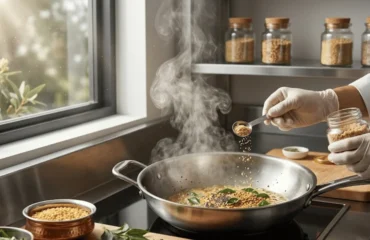

Regional variations of Hing usage highlight the incredible diversity of Indian cuisine and demonstrate how a single ingredient can be adapted in countless ways. Asafoetida, commonly known as Hing, has been an important part of Indian cooking for centuries. Although used in small quantities, its influence on flavor, aroma, and traditional cooking methods is significant.
Different regions of India have developed their own approaches to using Hing based on local ingredients, culinary traditions, climate, and cultural preferences. From the lentil-rich dishes of North India to the tangy preparations of South India, Hing continues to play an important role in regional food identities.
Understanding regional variations of Hing usage provides valuable insight into India’s rich culinary heritage and the enduring popularity of Asafoetida across generations.
Why Regional Variations of Hing Usage Exist
Indian cuisine is shaped by geography, climate, agriculture, religion, and cultural traditions. These factors influence how ingredients are used and how flavors develop within regional cooking styles.
Hing became widely accepted because it complements many staple ingredients commonly used throughout India, including lentils, vegetables, pulses, and spice blends.
As a result, different regions adapted its use according to their own culinary preferences.
Factors Influencing Regional Usage
- Local food traditions
- Climate and agriculture
- Religious practices
- Availability of ingredients
- Historical trade influences
- Regional taste preferences
Regional Variations of Hing Usage in North India
North Indian cuisine is known for its rich curries, lentil dishes, breads, and spice-based preparations. Hing is frequently used during tempering processes to create a strong flavor foundation.
Many traditional North Indian dishes begin with hot oil or ghee infused with spices and a small quantity of Hing.
This technique helps distribute flavor throughout the dish.
Common North Indian Applications
- Dal preparations
- Rajma recipes
- Kadhi dishes
- Stuffed parathas
- Vegetable curries
Regional Variations of Hing Usage in Gujarat
Gujarati cuisine is one of the largest consumers of Hing in India. The ingredient is commonly used in vegetarian dishes, snacks, and lentil-based recipes.
Because many traditional Gujarati recipes emphasize balanced flavors, Hing plays an important supporting role in seasoning systems.
Its use is particularly noticeable in farsan products and everyday household cooking.
Popular Gujarati Dishes Using Hing
- Dal preparations
- Kadhi recipes
- Farsan products
- Vegetable dishes
- Traditional snacks
Regional Variations of Hing Usage in Rajasthan
Rajasthani cuisine often relies on ingredients that can withstand dry climatic conditions. Lentils, gram flour, and preserved foods are common components of regional cooking.
Hing is frequently used to enhance flavor and support traditional cooking methods.
Many classic Rajasthani dishes incorporate Hing during the tempering process.
Regional Variations of Hing Usage in South India
South Indian cuisine has a long history of using Hing in a wide variety of dishes. The ingredient is particularly popular in lentil-based recipes and spice tempering.
Its aroma complements the flavors commonly found in South Indian cooking.
Many households use Hing daily as part of routine meal preparation.
Common South Indian Applications
- Sambar
- Rasam
- Chutneys
- Lentil dishes
- Vegetable preparations
Regional Variations of Hing Usage in Maharashtra
Maharashtrian cuisine combines influences from coastal and inland regions. Hing is commonly used in traditional recipes that emphasize balanced seasoning and robust flavor profiles.
Many household recipes include Hing as part of the tempering process.
This helps enhance the overall taste experience without overwhelming other ingredients.
Regional Variations of Hing Usage in Eastern India
Eastern Indian cuisines use Hing more selectively compared to some other regions, but it remains an important ingredient in specific traditional dishes.
Its use often reflects historical culinary influences and regional flavor preferences.
Certain lentil and vegetable preparations continue to feature Hing as a seasoning ingredient.
How Regional Variations of Hing Usage Influence Modern Food Manufacturing
Food manufacturers often study regional flavor preferences when developing new products. Understanding how different regions use Hing helps companies create products that resonate with local consumers.
This knowledge supports product development, seasoning design, and flavor innovation.
Regional insights are increasingly important as manufacturers seek authentic taste experiences.
Commercial Applications
- Regional snack products
- Ready-to-eat meals
- Spice blends
- Seasoning systems
- Convenience foods
Why Regional Variations of Hing Usage Remain Important Today
Regional food traditions continue to shape consumer preferences across India. Many families still prepare recipes that have been passed down through generations.
Hing remains an important part of these traditions because of its ability to enhance flavor and support authentic cooking methods.
Its widespread acceptance demonstrates its versatility and cultural significance.
Frequently Asked Questions About Regional Variations of Hing Usage
Why does Hing usage vary across India?
Regional differences in climate, ingredients, culture, and culinary traditions influence how Hing is used in different parts of the country.
Which region uses the most Hing?
States such as Gujarat, Rajasthan, and several parts of North India are particularly known for extensive Hing usage.
Is Hing used in South Indian cuisine?
Yes. Hing is commonly used in South Indian dishes such as sambar, rasam, chutneys, and lentil-based preparations.
Conclusion
Regional variations of Hing usage demonstrate the diversity and richness of Indian cuisine. While cooking techniques and recipes may differ across states and communities, Hing remains a widely respected ingredient that contributes flavor, aroma, and culinary identity.
From traditional household recipes to modern food manufacturing, Asafoetida continues to connect India’s regional food cultures through its unique and versatile characteristics.
About RB Industries
RB Industries is a trusted manufacturer and supplier of premium Asafoetida products, serving food manufacturers, spice brands, wholesalers, distributors, exporters, and commercial buyers with reliable quality and consistent supply solutions.
Our Hing Brands
Explore our trusted brands including TOTA Gold, Bankey Bihari, Shri Krishna, and Tastekar. Each brand is crafted to deliver superior aroma, dependable consistency, and premium quality for retail and commercial applications.
Custom Hing Solutions
RB Industries offers customized Hing solutions including Hing Powder, Hing Granules, Compound Hing, private labeling, bulk packaging, export-grade products, and industry-specific formulations tailored to customer requirements.