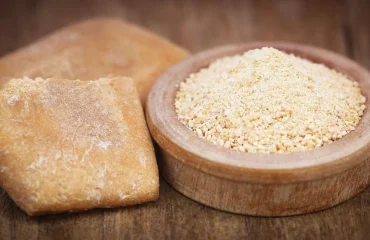

Sulfur Compounds Found in Hing are responsible for the unique aroma and distinctive flavor that have made Asafoetida one of the most recognizable ingredients in traditional and modern food applications. Known as Hing in India, Asafoetida is valued for its strong sensory profile and its ability to enhance flavor in a wide variety of foods.
Although many consumers associate Hing with its characteristic smell, food scientists and manufacturers understand that this aroma originates from naturally occurring sulfur-containing compounds. These compounds play a crucial role in defining the identity of Asafoetida and influence how it performs in food formulations.
As interest in food science and ingredient functionality continues to grow, understanding sulfur compounds found in Hing provides valuable insights into its flavor chemistry and commercial applications.
What Are Sulfur Compounds?
Sulfur compounds are naturally occurring chemical substances that contain sulfur atoms within their molecular structure. These compounds are commonly found in many foods and are often responsible for distinctive aromas and flavors.
Ingredients such as garlic, onions, leeks, and Asafoetida all contain sulfur-based compounds that contribute to their characteristic sensory properties.
In food applications, sulfur compounds can significantly influence aroma intensity, flavor complexity, and overall consumer perception.
Why Sulfur Compounds Found in Hing Are Important
The sulfur compounds found in Hing are the primary contributors to its strong aroma. Without these compounds, Asafoetida would not possess the distinctive sensory profile that makes it valuable in food manufacturing and traditional cooking.
These naturally occurring compounds help create the savory characteristics associated with Hing and support its role as a flavor-enhancing ingredient.
Their influence extends beyond aroma, affecting overall flavor perception and product identity.
Origin of Sulfur Compounds in Asafoetida
Asafoetida is obtained from the resin of Ferula plants. During natural resin formation, various sulfur-containing compounds develop within the material.
These compounds become concentrated in the resin and contribute to the ingredient’s unique sensory characteristics.
The concentration and composition of sulfur compounds can vary depending on factors such as raw material quality, processing methods, and storage conditions.
How Sulfur Compounds Influence Aroma
One of the most notable features of Asafoetida is its powerful aroma. The sulfur compounds found in Hing are largely responsible for this characteristic.
In raw form, the aroma may appear intense and pungent. However, when heated during cooking, these compounds undergo changes that create more balanced and appealing flavor notes.
This transformation explains why Hing is so widely used despite its strong initial aroma.
Raw Aroma Characteristics
Fresh Asafoetida typically exhibits a strong sulfur-like aroma that is immediately recognizable.
Changes During Cooking
Heat alters the behavior of sulfur compounds, producing savory flavor notes that complement a wide range of foods.
Contribution to Flavor Complexity
Sulfur compounds help create depth and richness in seasoning systems and traditional recipes.
Sulfur Compounds Found in Hing and Food Chemistry
The food chemistry of Asafoetida is closely linked to its sulfur-containing compounds. These compounds interact with other ingredients during processing and cooking, influencing the final sensory experience.
Food scientists study these interactions to better understand flavor development and ingredient functionality.
This knowledge supports product innovation and helps manufacturers optimize food formulations.
Role in Traditional Indian Cuisine
Traditional Indian cuisine has relied on Hing for centuries because of its ability to enhance flavor and aroma. The sulfur compounds found in Hing contribute to many of the sensory qualities associated with regional recipes.
Whether used in dals, vegetable preparations, curries, or seasoning blends, Asafoetida helps create authentic taste experiences.
Its continued popularity demonstrates the value of these naturally occurring compounds in culinary applications.
Applications in Food Manufacturing
Food manufacturers use Asafoetida in a variety of products because of its flavor-enhancing properties.
Common applications include:
- Seasoning blends
- Snack products
- Convenience foods
- Ready-to-cook meals
- Soup mixes
- Regional food products
- Spice formulations
- Instant food solutions
The sulfur compounds found in Hing help support flavor consistency across these applications.
Factors Affecting Sulfur Compound Stability
Maintaining the stability of sulfur-containing compounds is important for preserving product quality and performance.
Several factors can influence compound stability:
- Temperature exposure
- Moisture levels
- Packaging quality
- Storage conditions
- Processing methods
- Oxygen exposure
Manufacturers must carefully manage these variables to maintain aroma and flavor integrity.
Quality Considerations for Asafoetida Manufacturers
Manufacturers producing high-quality Hing products focus on preserving the characteristics associated with sulfur compounds. Consistency is particularly important because variations can influence product performance.
Quality assurance programs often include evaluations of aroma, flavor, appearance, and batch uniformity.
These measures help ensure that customers receive products meeting established standards.
Benefits of Understanding Sulfur Compounds Found in Hing
Understanding the chemistry behind Asafoetida offers several advantages for food manufacturers and ingredient suppliers.
- Improved flavor management
- Better product consistency
- Enhanced quality control
- More effective ingredient selection
- Greater formulation flexibility
- Support for product innovation
These benefits contribute to stronger product development and manufacturing outcomes.
Research and Innovation Opportunities
The growing interest in ingredient science continues to drive research into sulfur compounds found in Hing. Scientists and manufacturers are exploring new ways to improve flavor delivery, aroma retention, and product performance.
Advances in food technology may create additional opportunities for using Asafoetida across emerging food categories.
This ongoing research supports innovation while preserving the traditional value of the ingredient.
Future Importance of Sulfur Compounds in Food Development
As consumers increasingly seek authentic and distinctive flavors, sulfur-containing compounds will continue to play an important role in food innovation.
Manufacturers looking to create differentiated products can benefit from understanding how these compounds contribute to sensory experiences.
Asafoetida is expected to remain a valuable ingredient in both traditional and modern food applications.
Sulfur Compounds Found in Hing and Global Market Demand
Interest in authentic ingredients and regional cuisines is expanding internationally. This trend has increased demand for products that deliver distinctive flavor experiences.
The sulfur compounds found in Hing contribute significantly to its global appeal by helping manufacturers create products with recognizable and authentic taste profiles.
As international markets continue to embrace diverse culinary traditions, demand for quality Asafoetida products is likely to grow.
Conclusion
Sulfur Compounds Found in Hing are the foundation of its unique aroma, flavor, and functionality. These naturally occurring compounds define the sensory identity of Asafoetida and contribute to its widespread use across traditional cooking and modern food manufacturing.
Understanding the role of sulfur compounds helps manufacturers, suppliers, and food professionals optimize product development while preserving the authentic characteristics that make Hing such a valuable ingredient.
RB Industries manufactures premium-quality Asafoetida products designed to deliver consistent flavor, aroma, and performance for food manufacturers, distributors, wholesalers, exporters, and retail brands.
Frequently Asked Questions
What are the sulfur compounds found in Hing?
Sulfur compounds are naturally occurring components within Asafoetida that contribute to its distinctive aroma and flavor profile.
Why does Hing have such a strong smell?
The strong aroma comes primarily from sulfur-containing compounds present in the Asafoetida resin.
How do sulfur compounds affect food applications?
They help create flavor complexity, enhance aroma, and contribute to the authentic sensory characteristics associated with Hing-based products.