
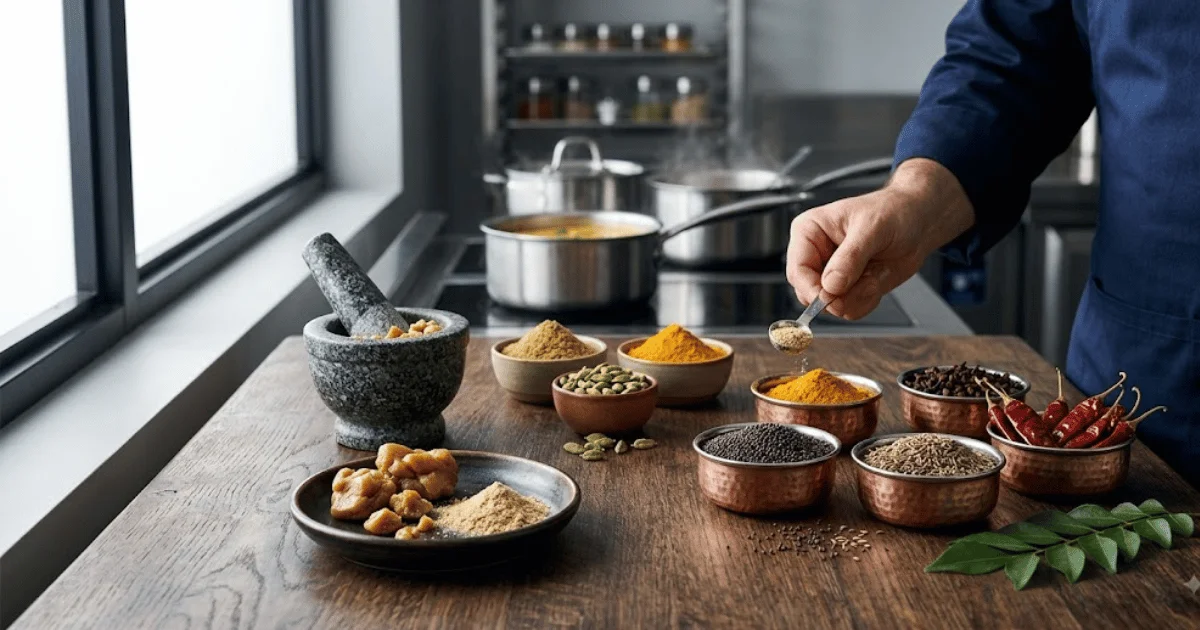
Traditional Spice Pairings with Hing have been an important part of Indian cooking for centuries. Across different regions of India, Asafoetida is combined with a variety of spices to create distinctive flavor profiles that define traditional dishes. While Hing is known for its strong aroma, its true value lies in how effectively it complements and enhances other spices.
From everyday lentil preparations to regional curries and seasoning blends, Hing works alongside spices such as cumin, coriander, mustard seeds, turmeric, and black pepper to build depth and complexity. These traditional pairings continue to influence modern food manufacturing, spice blending, and product development.
As demand for authentic Indian flavors grows worldwide, understanding traditional spice pairings with Hing becomes increasingly valuable for food manufacturers, retailers, distributors, and culinary professionals.
Why Traditional Spice Pairings with Hing Matter
Indian cuisine relies heavily on balanced spice combinations rather than individual ingredients. Each spice contributes a unique characteristic, and when paired correctly, they create flavors that are richer and more harmonious.
Hing acts as a supporting ingredient that enhances the effectiveness of other spices. Instead of dominating a recipe, it helps unify flavors and creates a more complete taste experience.
This ability to improve overall flavor balance explains why Hing remains a staple ingredient in traditional spice systems across India.
Cumin and Hing: A Classic Combination
One of the most common traditional spice pairings with Hing is cumin. This combination appears in countless Indian recipes and is particularly popular in lentil dishes, vegetables, and curries.
When added to hot oil during tempering, cumin develops a warm, earthy aroma that works exceptionally well with the savory characteristics of Hing.
The result is a balanced flavor profile that enhances both simple and complex recipes.
Common Applications
- Dal preparations
- Vegetable curries
- Soup formulations
- Seasoning blends
- Traditional Indian gravies
Mustard Seeds and Hing in Regional Cooking
Mustard seeds and Hing are frequently paired in South Indian, Maharashtrian, and Gujarati cuisines. This combination forms the foundation of many tempering techniques used in traditional cooking.
The sharp flavor of mustard seeds complements the aromatic complexity of Hing, creating a distinctive regional taste profile.
Many ready-to-cook products and spice blends continue to use this traditional pairing because of its strong consumer recognition.
Turmeric and Hing for Balanced Flavor Development
Turmeric is another spice commonly paired with Hing. While turmeric contributes color and mild earthy notes, Hing adds aromatic depth that enhances the overall flavor experience.
This pairing appears in numerous traditional dishes, particularly lentil-based recipes and vegetable preparations.
Food manufacturers often incorporate both ingredients into seasoning systems designed to replicate authentic Indian flavors.
Coriander and Hing in Spice Blends
Coriander is widely used in Indian cuisine because of its mild citrus and earthy flavor profile. When combined with Hing, it creates a balanced seasoning foundation suitable for a variety of applications.
Traditional spice blends frequently include both ingredients because they work together without overpowering other components.
This compatibility makes them ideal for commercial spice manufacturing and food product development.
Black Pepper and Hing for Flavor Complexity
Black pepper contributes mild heat and aromatic intensity that complements Hing effectively. This pairing is commonly found in traditional recipes where deeper flavor development is desired.
The combination creates a layered taste experience that appeals to consumers seeking authentic regional flavors.
Manufacturers often use this pairing in premium seasoning blends and specialty food products.
Curry Leaves and Hing in Traditional Tempering
Curry leaves are frequently used alongside Hing in Indian cooking. The fragrant nature of curry leaves combines with the savory aroma of Hing to create a highly recognizable flavor profile.
This pairing is particularly popular in South Indian cuisine and continues to influence packaged food products inspired by traditional recipes.
Many seasoning systems designed for convenience foods include these ingredients to achieve authenticity.
The Science Behind Traditional Spice Pairings with Hing
The effectiveness of traditional spice pairings with Hing is not accidental. Over generations, culinary practices evolved to identify combinations that produce balanced and appealing flavor experiences.
Different spices contribute distinct aroma compounds that interact during cooking. Hing helps bridge these flavor components, creating greater complexity and harmony within the final dish.
This natural synergy explains why many traditional pairings remain relevant even in modern food manufacturing.
Role of Hing in Commercial Spice Blends
Food manufacturers increasingly rely on traditional flavor systems when developing products for modern consumers. Hing serves as an important ingredient in spice blends because it supports authentic flavor creation.
Commercial applications include:
- Regional seasoning blends
- Snack seasonings
- Ready-to-cook products
- Convenience foods
- Instant meal solutions
- Soup and curry mixes
- Traditional food products
Its versatility allows manufacturers to recreate familiar taste experiences across multiple product categories.
Growing Consumer Interest in Authentic Flavors
Consumers today are increasingly interested in traditional foods and regional cuisines. This trend has encouraged food companies to invest in authentic flavor development.
Traditional spice pairings with Hing provide manufacturers with proven flavor combinations that resonate with consumers seeking genuine culinary experiences.
As regional Indian foods gain international popularity, demand for these authentic flavor systems continues to grow.
Benefits of Using Traditional Spice Pairings with Hing
- Authentic flavor development
- Improved consumer acceptance
- Enhanced aroma profiles
- Better seasoning balance
- Support for regional food concepts
- Versatility across applications
- Strong culinary heritage value
These advantages make traditional pairings highly valuable in both home cooking and commercial food production.
Future Opportunities for Hing-Based Flavor Systems
The future of traditional spice pairings with Hing remains strong as food manufacturers continue exploring regional flavor opportunities.
Innovation in convenience foods, packaged meals, snack products, and seasoning blends is expected to increase demand for authentic Indian flavor ingredients.
Manufacturers that successfully incorporate traditional spice systems into modern products can benefit from growing consumer interest in heritage-inspired foods.
Conclusion
Traditional Spice Pairings with Hing continue to play a vital role in Indian cuisine and modern food manufacturing. Whether combined with cumin, mustard seeds, coriander, turmeric, black pepper, or curry leaves, Hing helps create balanced and memorable flavor experiences.
These proven combinations have stood the test of time and remain relevant for today’s consumers seeking authentic taste and quality. As demand for regional and traditional foods grows, Hing-based flavor systems will continue supporting innovation across the food industry.
RB Industries manufactures premium-quality Asafoetida products for food manufacturers, wholesalers, exporters, distributors, and retail brands seeking reliable ingredient solutions and consistent flavor performance.
Frequently Asked Questions
Which spices pair best with Hing?
Cumin, mustard seeds, coriander, turmeric, black pepper, and curry leaves are among the most common traditional spice pairings with Hing.
Why is Hing used with other spices?
Hing enhances flavor balance, improves aroma complexity, and helps create authentic taste profiles in traditional and modern recipes.
Are traditional spice pairings with Hing used in food manufacturing?
Yes. Food manufacturers frequently use these combinations in seasoning blends, ready-to-cook foods, snack products, and convenience food applications.


