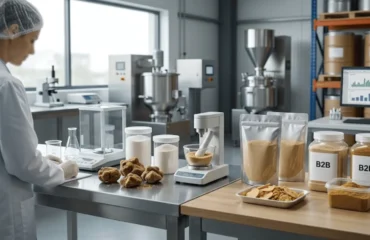

Why Hing Quality Varies is a common question among food manufacturers, distributors, retailers, and consumers who regularly use Asafoetida in food applications. While Hing is widely recognized for its distinctive aroma and flavor-enhancing properties, not all products available in the market offer the same level of quality, consistency, or performance.
The quality of Hing can vary significantly depending on several factors, including raw material selection, processing methods, ingredient composition, manufacturing standards, storage conditions, and supplier expertise. Understanding these factors helps buyers make informed decisions and select products that meet their specific requirements.
As demand for high-quality Asafoetida continues to grow across food manufacturing and retail markets, understanding why Hing quality varies has become increasingly important.
Understanding Hing Quality
Hing quality is determined by a combination of characteristics that influence its overall performance. These characteristics include aroma strength, flavor profile, consistency, purity, appearance, and processing quality.
High-quality Hing delivers a reliable sensory experience and performs consistently across different food applications.
Variations in any of these factors can affect the final product and influence customer satisfaction.
Why Hing Quality Varies Across Different Products
Not all Hing products are manufactured using the same raw materials or production processes. Different suppliers may use varying formulations, sourcing practices, and quality control systems.
As a result, products can differ in aroma intensity, flavor strength, color, texture, and overall performance.
This variability explains why buyers often notice differences between Hing brands and suppliers.
Raw Material Quality and Its Impact
One of the primary reasons why Hing quality varies is the quality of the raw materials used during production.
The characteristics of Asafoetida resin can vary based on sourcing conditions, harvesting practices, and supplier selection.
Manufacturers that prioritize high-quality raw materials are generally better positioned to produce consistent and reliable products.
Source Material Selection
Carefully selected raw materials contribute to stronger aroma and improved flavor performance.
Consistency of Supply
Reliable sourcing practices help maintain product uniformity across multiple production batches.
Quality Verification
Raw material inspection helps identify potential variations before production begins.
Processing Methods Influence Product Quality
Manufacturing processes play a significant role in determining the final quality of Hing products.
Different processing techniques can affect aroma retention, flavor consistency, particle size, and overall product stability.
Companies that follow standardized manufacturing procedures are more likely to achieve consistent product performance.
Importance of Aroma in Hing Quality
Aroma is one of the most important indicators of Hing quality. Consumers often associate strong and balanced aroma characteristics with premium products.
The aroma profile depends on the preservation of naturally occurring compounds during processing and packaging.
Proper manufacturing controls help maintain these important sensory characteristics.
Why Hing Quality Varies Due to Storage Conditions
Storage conditions can significantly influence product quality over time. Exposure to moisture, heat, oxygen, and improper handling may affect aroma and flavor stability.
Manufacturers and distributors must implement appropriate storage practices to preserve product integrity.
Effective storage management helps maintain consistent performance throughout the product lifecycle.
Role of Packaging in Maintaining Hing Quality
Packaging serves as a critical barrier that protects Hing from environmental factors that could reduce quality.
High-quality packaging helps preserve aroma, minimize moisture exposure, and support product stability during transportation and storage.
Companies investing in better packaging systems often achieve stronger quality retention.
Batch Consistency and Product Performance
Batch consistency is another major factor influencing customer perception of quality. Food manufacturers require ingredients that perform consistently across production cycles.
Variations between batches can affect flavor intensity, aroma profile, and formulation outcomes.
Strong quality management systems help reduce variability and improve reliability.
Why Hing Quality Varies Between Manufacturers
Different manufacturers operate with varying levels of expertise, technology, quality control, and production capabilities.
Companies that invest in modern processing equipment and robust quality assurance programs generally produce more consistent products.
This difference often becomes noticeable in the final product performance experienced by customers.
Importance of Quality Control Systems
Quality control systems help manufacturers identify and address variations before products reach the market.
Common quality control activities include:
- Raw material inspection
- Batch testing
- Aroma evaluation
- Product specification verification
- Packaging inspections
- Supplier qualification
- Process monitoring
These measures support consistent product quality and customer satisfaction.
How Food Manufacturers Evaluate Hing Quality
Food manufacturers often use structured evaluation procedures when selecting Hing suppliers.
Evaluation criteria may include:
- Aroma consistency
- Flavor performance
- Batch uniformity
- Supplier reliability
- Documentation quality
- Production capabilities
- Regulatory compliance
These assessments help manufacturers identify suppliers capable of meeting long-term requirements.
Benefits of Choosing High-Quality Hing
Selecting premium-quality Hing offers several advantages.
- Improved flavor consistency
- Enhanced aroma performance
- Greater customer satisfaction
- Reliable manufacturing outcomes
- Reduced product variability
- Stronger brand reputation
- Better product differentiation
These benefits make quality-focused sourcing decisions highly valuable.
Future Demand for Quality Asafoetida Products
Consumer expectations continue to evolve, placing greater emphasis on product quality, authenticity, and consistency.
As food manufacturers develop more sophisticated products, demand for reliable ingredient suppliers will continue to increase.
This trend highlights the growing importance of understanding why Hing quality varies and how manufacturers can maintain superior standards.
How to Choose a Reliable Hing Supplier
Businesses seeking high-quality Asafoetida should evaluate suppliers carefully. Key considerations include manufacturing expertise, quality assurance systems, supply chain reliability, and product consistency.
Working with experienced suppliers helps reduce risk while supporting long-term product quality goals.
A strong supplier partnership can contribute significantly to successful food manufacturing operations.
Conclusion
Why Hing Quality Varies can be explained by differences in raw materials, processing methods, storage conditions, packaging quality, supplier capabilities, and quality control practices. Understanding these factors helps buyers make informed purchasing decisions and select products that deliver reliable performance.
As demand for authentic flavors and premium ingredients continues to grow, manufacturers that prioritize quality assurance and consistency will remain well-positioned to meet evolving market expectations.
RB Industries manufactures premium-quality Asafoetida products with a strong focus on consistency, aroma retention, quality assurance, and customer satisfaction for food manufacturers, wholesalers, exporters, distributors, and retail brands.
Frequently Asked Questions
Why does Hing quality vary between brands?
Differences in raw materials, processing methods, packaging quality, and manufacturing standards can cause significant variations in Hing quality.
What factors affect the quality of Hing?
Raw material selection, aroma retention, storage conditions, packaging systems, quality control procedures, and supplier expertise all influence product quality.
How can food manufacturers identify high-quality Hing?
Manufacturers should evaluate aroma consistency, flavor performance, supplier reliability, quality assurance systems, and batch uniformity before selecting a supplier.