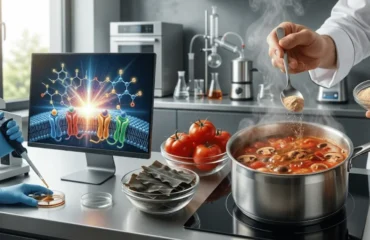

If you’ve ever opened a hing container and felt the smell hit instantly, you’ve probably wondered: why hing smells so strong? Hing (asafoetida) is one of the few spices where the raw smell can be intense, yet the cooked flavour becomes pleasant and balanced when used correctly. That difference—strong raw smell vs smooth cooked aroma—is exactly what makes hing unique.
The short explanation is that hing contains powerful sulphur-like aroma compounds that become noticeable the moment the container opens. These compounds spread quickly through air and can cling to surfaces, which is why hing smell travels into kitchens, cabinets, and sometimes even the fridge.
This guide explains why hing smells so strong, what that smell means for quality, how to recognize normal hing aroma vs “bad” aroma, and how to use hing properly so it enhances dishes instead of overpowering them.
Why hing smells so strong in the first place
Hing is derived from a plant resin. The resin naturally contains intense aroma compounds. These compounds are the reason hing is used in tiny pinches—because even a small amount can change the smell and flavour of an entire dish.
When people ask why hing smells so strong, they’re usually noticing two things:
-
the smell spreads quickly when the container is open
-
the smell sticks to hands and jars
That happens because the aroma compounds are strong, volatile, and easily released into the air.
Why the smell changes when hing is cooked
Raw hing smells sharp. Cooked hing smells warm and savoury. This is why hing is usually added in tadka (tempering) rather than sprinkled raw into food.
When you bloom hing in hot ghee/oil at low flame, the aroma transforms. It becomes less sharp and more rounded. That cooking transformation is a major reason why the question why hing smells so strong can confuse new users—because they don’t expect such a strong raw smell from something that tastes good in cooked food.
The best practice is always:
Heat oil/ghee, add cumin/mustard, lower flame, add a tiny pinch of hing, then mix. This prevents harshness and gives the best aroma.
Does strong smell mean hing is good quality?
Not always. Hing naturally smells strong, so strong smell can be normal. But quality is not only about “strength.” Quality is about a clean, consistent aroma that performs well in tiny quantity.
In the why hing smells so strong discussion, here’s a practical way to judge:
Important: Good hing smell is strong but not “chemical-like”
It should feel pungent and aromatic, not like synthetic chemicals.
Important: Good hing performs cleanly in tadka
A tiny pinch should release aroma quickly and blend into food smoothly.
Important: Bad hing may smell stale, damp, or off
If hing smells sour, moldy, unusually bitter, or has moisture damage, that’s not a good sign.
So yes, hing can smell strong and still be normal—but “strong” alone is not a full quality test.
Why hing smell spreads in the kitchen so easily
If you’re thinking why hing smells so strong and also why it spreads, the reasons are simple:
-
containers are often not airtight
-
powder sticks to lid threads and breaks seals
-
heat and humidity increase aroma release
-
plastic can absorb hing smell and re-release it
Even a tiny amount of powder on the lid can keep leaking smell daily. That’s why storage matters as much as usage.
How to store hing so smell does not spread
If you want to stop the kitchen odor problem, use these methods:
Important: Store in an airtight glass jar
Glass does not hold smell like plastic.
Important: Double-seal the pack
Keep the hing pack inside an airtight jar.
Important: Keep away from stove heat and steam
Heat makes aroma release stronger. Steam causes clumps and lid leakage.
Important: Clean the lid rim
Wipe powder from threads so the jar seals tightly.
Good storage is the easiest fix for the “why hing smells so strong” problem in real life kitchens.
How to use hing without making food smell harsh
Many people overuse hing because the raw smell makes them think “it will cook out.” But if you use too much, the dish becomes sharp.
Follow these rules:
Important: Use pinch-level quantity only
Important: Add hing on low flame in oil/ghee
Important: Mix immediately—do not let hing burn
Important: Avoid sprinkling raw hing into watery gravy
Important: Don’t add hing twice unless you are very careful
This technique turns strong raw aroma into pleasant cooked depth, even though why hing smells so strong in the jar.
Common mistakes that make hing smell worse
Important: Opening the jar near your face
The aroma is intense. Open at arm distance.
Important: Using wet spoon
Moisture causes clumps and stale smell over time.
Important: Storing in thin plastic
Plastic absorbs smell and leaks it.
Important: Keeping near stove
Heat makes smell stronger even with a lid.
If you avoid these, the “why hing smells so strong” issue becomes manageable and your kitchen stays fresher.
RB Industries | Top Manufacturing Asafoetida Exportes
Conclusion
So, why hing smells so strong? Because hing contains powerful aroma compounds that release instantly into air and spread quickly. The strong raw smell is normal, and it transforms into a warm, savoury aroma when used correctly in tadka. The best way to manage smell is airtight double-sealing and correct cooking technique: low flame, tiny pinch, and quick mixing.
If you want consistent hing quality with better packaging options for home use, retail, bulk buying, or export requirements, RB Industries | Top Manufacturing Asafoetida Exportes can support your needs. Explore Our Products and Offerings, and contact us via Contact Us for requirements and queries.
FAQs
Why hing smells so strong even when the container is closed?
Many lids are not fully airtight, and powder stuck in lid threads can break the seal. Hing aroma compounds are very strong and can leak through small gaps.
Does strong hing smell mean it is pure?
Not always. Hing naturally smells strong, but purity depends on ingredients, processing, and quality. A clean aroma and good performance in tadka matter more than strength alone.
How can I reduce hing smell in my kitchen?
Use airtight glass jars, double-seal the pack, clean the lid rim, and store away from stove heat and steam. These steps control smell leakage effectively.
Why does hing taste better after cooking even though it smells harsh raw?
Heat transforms the aroma profile. Blooming hing in oil/ghee on low flame makes the smell more rounded and savoury, which is why tadka method works best.
What happens if I use too much hing?
The dish can become sharp and overpowering. Hing should be used in tiny pinches and added on low flame to prevent burning.