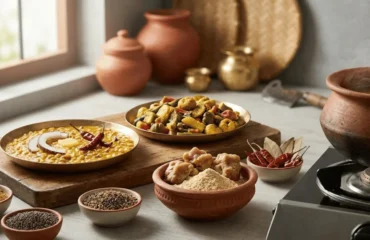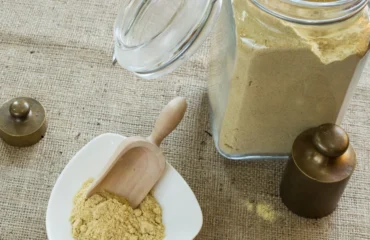
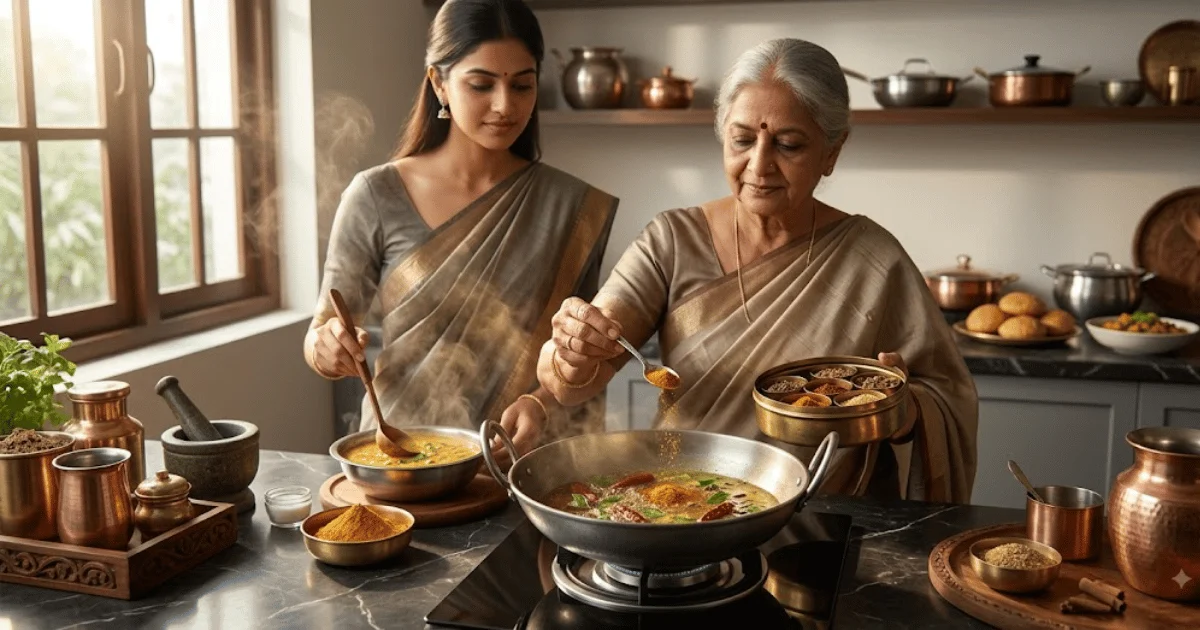
Why Indian households use Hing is a question deeply connected to India’s culinary traditions, cooking practices, and food culture. For generations, Asafoetida, commonly known as Hing, has remained one of the most recognizable ingredients found in Indian kitchens. Despite being used in very small quantities, its impact on flavor and cooking is significant.
From rural households to modern urban kitchens, Hing continues to hold a special place in daily cooking. Whether preparing lentils, vegetables, curries, snacks, or traditional recipes, many families consider Hing an essential ingredient that helps create familiar and authentic flavors.
Understanding why Indian households use Hing provides insight into the ingredient’s enduring popularity and its role in Indian food traditions.
Why Indian Households Use Hing in Everyday Cooking
Indian cuisine relies heavily on spices and seasoning techniques that create complex flavor profiles. Hing contributes a distinctive aroma and taste that complements a wide range of dishes.
Because it is highly concentrated, only a small amount is required to influence the overall flavor of a recipe.
This efficiency has helped make Hing a staple ingredient in households across the country.
Common Everyday Uses
- Dal preparations
- Vegetable dishes
- Curries
- Kadhi recipes
- Snack preparations
- Traditional spice tempering
Traditional Reasons Why Indian Households Use Hing
The use of Hing in India dates back centuries. Over time, it became deeply integrated into regional cuisines and household cooking practices.
Many traditional recipes include Hing as part of the tempering process, where spices are briefly heated in oil or ghee before being added to dishes.
This technique helps distribute flavor and aroma throughout the food.
Role in Traditional Cooking
Traditional Indian cooking often focuses on building flavor gradually. Hing contributes to this process by providing a strong aromatic foundation that supports other spices.
Its compatibility with numerous ingredients has contributed to its widespread use.
Why Indian Households Use Hing Across Different Regions
One of the reasons Hing remains so popular is its versatility. Different regions of India use the ingredient in unique ways while still appreciating its flavor-enhancing characteristics.
North India
Many North Indian dishes use Hing in dals, curries, stuffed breads, and vegetable preparations.
Gujarat and Rajasthan
Gujarati and Rajasthani cuisines frequently incorporate Hing into everyday cooking and traditional snack products.
South India
South Indian households commonly use Hing in sambar, rasam, chutneys, and lentil-based dishes.
Maharashtra
Maharashtrian cooking often uses Hing during tempering to create balanced flavor profiles.
These regional variations demonstrate how widely accepted Hing has become throughout India.
Why Indian Households Use Hing in Vegetarian Cuisine
India has one of the largest vegetarian populations in the world. Many vegetarian dishes rely on spices and seasonings to create satisfying flavor experiences.
Hing complements lentils, vegetables, legumes, and grains commonly used in vegetarian cooking.
This compatibility has helped establish Hing as a trusted ingredient in countless vegetarian recipes.
Popular Vegetarian Applications
- Dal recipes
- Vegetable curries
- Khichdi preparations
- Kadhi dishes
- Traditional snacks
How Hing Became a Household Staple
Ingredients become household staples when they consistently contribute value to daily cooking. Hing earned this status through generations of use and cultural acceptance.
Families passed recipes from one generation to another, ensuring that Hing remained part of traditional cooking practices.
Today, many households continue using it because it connects modern meals with culinary heritage.
Modern Reasons Why Indian Households Use Hing
Although food habits have evolved significantly, Hing remains relevant in modern kitchens. Consumers continue to value ingredients that contribute authentic flavor and work well across multiple recipes.
Modern food products, spice blends, and convenience foods have also helped maintain familiarity with Hing among younger generations.
This combination of tradition and adaptability supports its continued popularity.
Modern Applications
- Ready-to-cook products
- Spice blends
- Instant food products
- Snack seasonings
- Traditional home cooking
Why Indian Households Use Hing Despite Changing Food Trends
Food trends change regularly, but some ingredients maintain long-term relevance because of their unique characteristics. Hing has remained popular because it supports traditional recipes while adapting to modern cooking needs.
Its strong connection to Indian culinary identity also contributes to its enduring presence in households across the country.
This combination of tradition, versatility, and familiarity has helped Hing remain a kitchen essential.
Growing Demand for Quality Hing Products
As consumers become more quality-conscious, demand for reliable Hing products continues to grow. Households increasingly prefer products that offer consistent aroma, dependable quality, and authentic flavor.
This trend has encouraged manufacturers to focus on quality assurance and product consistency.
Reliable brands play an important role in maintaining consumer trust.
Frequently Asked Questions About Why Indian Households Use Hing
Why is Hing commonly used in Indian cooking?
Hing is used because it enhances flavor, complements traditional recipes, and works well with a variety of Indian dishes.
Which Indian cuisines use Hing the most?
Gujarati, Rajasthani, North Indian, South Indian, and Maharashtrian cuisines commonly use Hing in daily cooking.
Is Hing still popular in modern kitchens?
Yes. Hing remains widely used in traditional cooking, spice blends, ready-to-cook products, and modern food applications.
Conclusion
Why Indian households use Hing is a story of tradition, flavor, and culinary continuity. For generations, Asafoetida has remained an essential ingredient that helps create authentic and memorable food experiences.
As Indian cuisine continues to evolve, Hing remains a trusted kitchen companion that connects modern cooking with centuries of culinary heritage.
About RB Industries
RB Industries is a trusted manufacturer and supplier of premium Asafoetida products, serving households, food manufacturers, spice brands, wholesalers, distributors, exporters, and commercial buyers with reliable quality and consistent supply solutions.
Our Hing Brands
Explore our trusted brands including TOTA Gold, Bankey Bihari, Shri Krishna, and Tastekar. Each brand is crafted to deliver superior aroma, dependable consistency, and premium quality for retail and commercial applications.
Custom Hing Solutions
RB Industries offers customized Hing solutions including Hing Powder, Hing Granules, Compound Hing, private labeling, bulk packaging, export-grade products, and industry-specific formulations tailored to customer requirements.