Aroma Retention in Food Processing is one of the most important factors influencing food quality, consumer satisfaction, and product success. Aroma is often the first characteristic consumers notice when opening a food package or preparing a meal. A pleasant and consistent aroma creates expectations about taste, freshness, and overall quality.
Modern food manufacturers invest significant resources into maintaining aroma throughout production, packaging, storage, and distribution. Without proper aroma retention, even high-quality ingredients may fail to deliver the desired sensory experience.
As consumer expectations continue to rise, understanding aroma retention in food processing has become essential for food manufacturers, ingredient suppliers, product developers, and quality assurance professionals.
Why Aroma Retention in Food Processing Is Important
Aroma plays a critical role in how consumers perceive food products. Research consistently shows that smell contributes significantly to flavor perception and purchasing decisions.
When aroma compounds are lost during processing, products may appear less fresh, less flavorful, and less appealing. Maintaining aroma stability helps manufacturers preserve product identity and consumer trust.
Effective aroma retention in food processing supports product consistency, improves shelf life performance, and enhances overall customer satisfaction.
Understanding Food Aroma Compounds
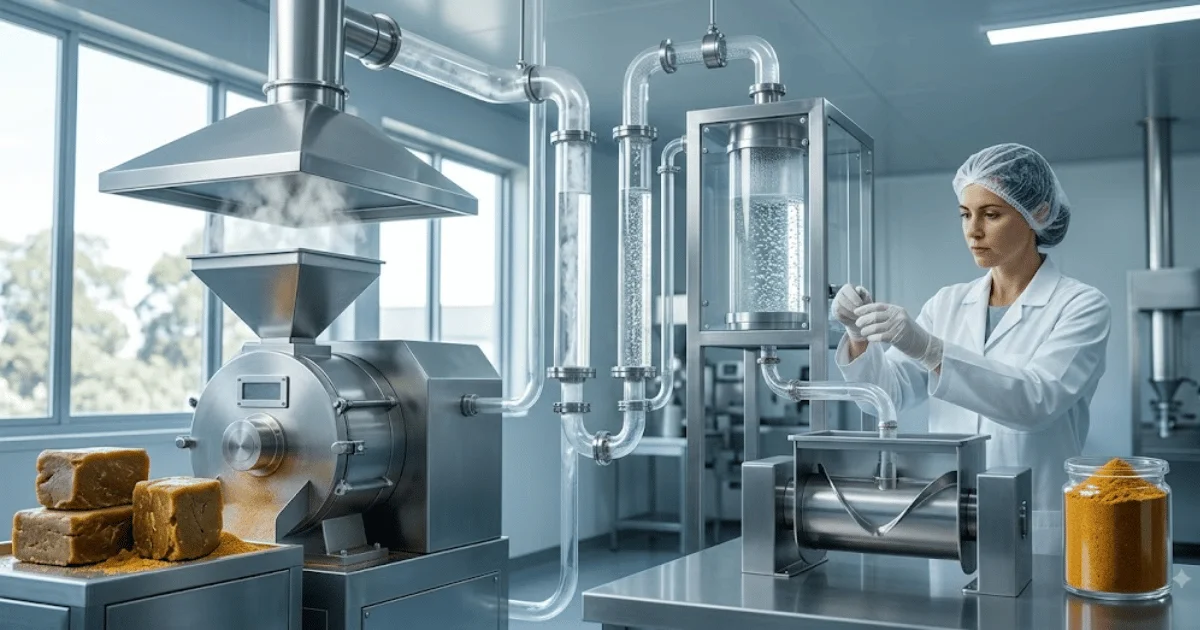
Food aromas originate from volatile compounds naturally present in ingredients or developed during processing. These compounds are responsible for the characteristic smells associated with spices, herbs, fruits, vegetables, and cooked foods.
Many aroma compounds are highly sensitive to environmental conditions. Exposure to heat, oxygen, moisture, and light can cause these compounds to degrade or evaporate.
This sensitivity makes aroma retention a major challenge throughout food manufacturing operations.
Natural Aroma Sources
- Spices and seasonings
- Herbs and botanicals
- Fruits and vegetables
- Fermented ingredients
- Roasted products
- Flavor extracts
Each ingredient contributes unique aroma characteristics that manufacturers seek to preserve.
Factors Affecting Aroma Retention in Food Processing
Several factors influence the stability and retention of aroma compounds during food production.
Processing Temperature
Heat is one of the most significant causes of aroma loss. High-temperature processing can accelerate evaporation and degradation of volatile compounds.
Manufacturers must carefully balance food safety requirements with aroma preservation goals.
Oxygen Exposure
Oxidation can alter aroma compounds and reduce flavor quality. Limiting oxygen exposure helps maintain product freshness and aroma integrity.
Moisture Content
Changes in moisture levels can affect aroma release and stability. Proper moisture control is essential for maintaining product quality.
Processing Time
Extended processing periods may increase exposure to conditions that contribute to aroma loss.
Storage Conditions
Temperature fluctuations, humidity, and improper storage can significantly impact aroma retention during a product’s shelf life.
Aroma Retention in Spice Ingredients
Spices are among the most aroma-sensitive ingredients used in food manufacturing. Their value often depends on the intensity and stability of their aroma compounds.
Ingredients such as Asafoetida, cumin, coriander, black pepper, and cardamom contain volatile compounds that require careful handling throughout processing.
Maintaining aroma retention in food processing is particularly important when using spice-based formulations because aroma directly influences consumer perception of authenticity and freshness.
The Role of Asafoetida in Aroma Development
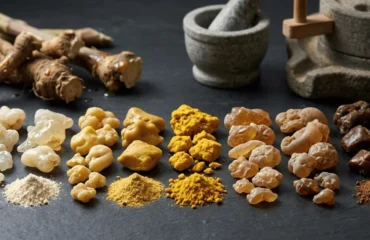
Asafoetida, commonly known as Hing, is recognized for its strong and distinctive aroma. Food manufacturers use Hing in spice blends, seasonings, convenience foods, snack products, and traditional recipes.
The characteristic aroma of Hing contributes significantly to product identity. Therefore, manufacturers prioritize processing methods that help preserve its unique sensory properties.
Proper ingredient handling, storage, and packaging play an important role in maintaining aroma consistency across production batches.
Packaging and Aroma Retention in Food Processing
Packaging is one of the most effective tools for protecting aroma compounds after manufacturing.
Advanced packaging technologies help reduce exposure to environmental factors that can cause aroma degradation.
Barrier Packaging
Barrier materials help prevent oxygen and moisture penetration, preserving aroma quality over time.
Sealed Packaging Systems
Proper sealing minimizes aroma loss during transportation and storage.
Protective Packaging Design
Modern packaging solutions are designed to support both product safety and aroma preservation.
Quality Control Strategies for Aroma Preservation
Successful food manufacturers implement comprehensive quality control systems focused on aroma retention.
- Raw material evaluation
- Controlled processing conditions
- Regular sensory assessments
- Batch consistency monitoring
- Packaging performance testing
- Shelf life studies
- Supplier quality verification
These measures help ensure that products maintain their intended aroma characteristics throughout their lifecycle.
Challenges in Aroma Retention in Food Processing
Despite technological advances, preserving aroma remains a complex challenge.
Food manufacturers must address multiple variables simultaneously, including ingredient interactions, processing requirements, storage conditions, and transportation environments.
The growing demand for clean-label products also encourages manufacturers to develop innovative approaches to aroma preservation while maintaining ingredient transparency.
Industry Trends Supporting Aroma Retention
The food industry continues to invest in research and development aimed at improving aroma stability.
Current trends include advanced ingredient processing, improved packaging technologies, enhanced quality control systems, and greater emphasis on sensory science.
These developments help manufacturers deliver products that consistently meet consumer expectations.
Benefits of Effective Aroma Retention
- Improved consumer satisfaction
- Better product consistency
- Enhanced brand reputation
- Longer shelf life performance
- Reduced flavor variability
- Greater market competitiveness
- Higher perceived product quality
Strong aroma retention directly contributes to product success in increasingly competitive food markets.
Future of Aroma Retention in Food Processing
The future of aroma retention in food processing will be driven by innovation, sustainability, and consumer demand for authentic flavors.
Manufacturers are expected to continue investing in technologies that improve aroma stability while supporting clean-label initiatives and operational efficiency.
As global food markets evolve, aroma retention will remain a critical factor influencing product development and consumer acceptance.
Conclusion
Aroma Retention in Food Processing plays a vital role in preserving flavor quality, product consistency, and consumer satisfaction. From ingredient selection to packaging and storage, every stage of production influences aroma stability.
Food manufacturers that prioritize aroma retention can create products that deliver a superior sensory experience while maintaining quality throughout their shelf life.
RB Industries supports food manufacturers with high-quality Asafoetida and ingredient solutions designed to deliver consistent aroma, flavor performance, and product reliability.
Frequently Asked Questions
Why is aroma retention important in food processing?
Aroma retention helps preserve product quality, flavor perception, consumer satisfaction, and overall brand consistency.
What factors affect aroma retention in food processing?
Temperature, oxygen exposure, moisture, processing time, storage conditions, and packaging quality all influence aroma stability.
How does packaging help preserve aroma?
Proper packaging reduces exposure to oxygen, moisture, and environmental factors that can degrade aroma compounds during storage and distribution.