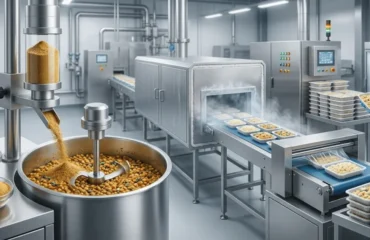

Future Opportunities for Hing Exporters are expanding as international consumers become more familiar with Indian cuisine, regional flavors, convenience foods, spice blends, and specialized food ingredients. Asafoetida has traditionally been associated with Indian cooking, but its commercial potential extends beyond households and into food manufacturing, seasoning, foodservice, private-label products, and ethnic-food markets.
For exporters, the opportunity is not simply about shipping Hing from one country to another. Long-term growth depends on identifying the right markets, understanding buyer requirements, supplying consistent products, supporting commercial applications, and building relationships with importers, distributors, food manufacturers, and brands.
The future of the Hing export business will therefore depend on how effectively suppliers connect India’s manufacturing capabilities with the changing requirements of international food markets.
Why the Global Opportunity for Hing Is Growing
Indian food has become increasingly visible in international markets.
Restaurants, packaged-food brands, spice companies, foodservice businesses, and consumers are introducing Indian flavors into more food categories.
This creates opportunities for ingredients traditionally associated with Indian cuisine.
Hing can benefit from this development because it has a distinctive role in many Indian flavor systems.
From Household Spice to International Food Ingredient
Hing was traditionally purchased primarily for household cooking.
Today, the ingredient can also be used by commercial food manufacturers that need to reproduce Indian and regional flavor profiles at scale.
This shift creates a broader market opportunity for exporters.
Instead of targeting only individual consumers, suppliers can serve businesses that purchase ingredients repeatedly in commercial quantities.
What Are the Future Opportunities for Hing Exporters?
The Future Opportunities for Hing Exporters are connected to several growing application areas.
These can include:
- Indian food manufacturers outside India
- Ethnic-food brands
- Seasoning manufacturers
- Spice companies
- Ready-to-eat food producers
- Ready-to-cook food companies
- Snack manufacturers
- Restaurants and foodservice suppliers
- Private-label brands
- International distributors
Each segment has different technical and commercial requirements.
Growth of Indian Cuisine Internationally
Indian cuisine has a strong identity based on complex spice combinations.
As Indian restaurants and packaged Indian foods become more accessible internationally, consumers can become more familiar with ingredients that were previously considered niche.
This creates an indirect opportunity for Hing suppliers.
Greater awareness of Indian food can increase demand for authentic ingredients within both retail and commercial food channels.
Opportunity in Ethnic Food Markets
Ethnic-food markets are one of the most obvious opportunities for Hing exporters.
Indian-origin consumers living abroad may already be familiar with Hing and actively seek products that match traditional cooking preferences.
At the same time, non-Indian consumers may discover Hing through restaurants, recipes, packaged foods, and cooking content.
This creates two different customer groups within the same broader market.
Opportunity Beyond the Indian Diaspora
Export demand does not need to depend entirely on Indian-origin consumers.
Chefs, food manufacturers, seasoning companies, and consumers interested in global cuisine can also become users of Hing.
This expands the addressable market.
Exporters that position Hing only as an ethnic grocery product may therefore overlook larger B2B opportunities.
Hing for International Food Manufacturers
Food manufacturers can use Hing as part of formulations inspired by Indian or South Asian flavors.
Potential applications include:
- Seasoning blends
- Snack products
- Ready meals
- Instant foods
- Frozen foods
- Plant-based foods
- Spice mixes
These applications can require substantially larger volumes than retail consumers.
Why B2B Exporting Can Be More Valuable
Retail exports can generate individual product sales, but B2B customers can create recurring demand.
A seasoning manufacturer may purchase Hing repeatedly throughout the year.
A food manufacturer may require regular bulk shipments as long as the product remains commercially successful.
This makes B2B relationships an important part of the Future Opportunities for Hing Exporters.
Opportunity With Seasoning Manufacturers
Seasoning companies can be particularly relevant buyers because Hing can become one component of a larger flavor system.
A seasoning manufacturer may use Hing alongside:
- Cumin
- Coriander
- Turmeric
- Chili
- Black pepper
- Herbs
- Salt
The exact formulation depends on the intended product.
Opportunity in Spice Blends
International consumers increasingly have access to pre-mixed spice products.
Spice manufacturers can use Hing in blends designed for Indian cooking or regional flavor profiles.
This creates an opportunity for exporters that can supply suitable Hing formats with consistent physical and sensory characteristics.
Opportunity in Ready-to-Eat Foods
Convenience food is an important international category.
Ready-to-eat products allow consumers to experience familiar cuisines without preparing every ingredient themselves.
Hing can become part of the seasoning architecture in suitable products.
The challenge for exporters is to supply an ingredient that performs consistently through the manufacturer’s processing and storage conditions.
Opportunity in Ready-to-Cook Products
Ready-to-cook products combine convenience with consumer participation.
They can include curry bases, meal kits, seasoning mixes, instant preparations, and other formats.
Indian-inspired ready-to-cook products can create additional demand for traditional flavor ingredients.
Opportunity in Snack Manufacturing
Snack manufacturers continuously develop new flavor profiles.
Indian-inspired seasoning can provide a point of differentiation in international snack markets.
Hing may contribute aromatic depth to suitable seasoning systems.
Exporters that understand the technical requirements of snack seasoning manufacturers can potentially access larger commercial opportunities.
Opportunity in Plant-Based Foods
Plant-based food development has created new opportunities for seasoning innovation.
Manufacturers need to create satisfying flavors across products made from vegetables, grains, legumes, and other plant ingredients.
Spices and aromatic ingredients can play an important role in these formulations.
Hing may be relevant where its sensory characteristics fit the intended product.
Opportunity in Vegetarian Food Products
Indian cuisine offers a large range of vegetarian flavor profiles.
International food companies developing vegetarian products can therefore explore Indian-inspired seasoning systems.
This creates potential demand for traditional ingredients such as Hing.
Private-Label Export Opportunities
Private-label food brands can provide another route for Hing exporters.
Retailers and food companies may want products developed under their own brand names while relying on specialized manufacturers and ingredient suppliers.
This model can create opportunities for suppliers that can support consistent quality, customized packaging, documentation, and recurring bulk requirements.
Opportunity With International Distributors
Distributors can provide exporters with access to multiple downstream customers.
A distributor may supply:
- Restaurants
- Retailers
- Food manufacturers
- Wholesalers
- Foodservice companies
This can allow an exporter to expand market reach without establishing a direct sales operation in every country.
Why Distributor Selection Matters
Not every distributor is equally suitable for Hing.
A strong distributor should understand the relevant food categories and have access to customers that actually use the ingredient.
Exporters should therefore evaluate distribution partners based on market coverage, customer base, technical capability, logistics, and product knowledge.
Opportunity in Foodservice
Restaurants and foodservice operators can create recurring demand for Hing.
Large restaurant groups, central kitchens, catering companies, and foodservice suppliers may purchase ingredients in larger quantities than individual consumers.
Consistency and convenient packaging become important considerations for this segment.
Opportunity in Centralized Food Production
International restaurant groups increasingly use centralized kitchens or food production facilities to standardize recipes.
These operations need ingredients that perform consistently across repeated production.
Hing can be supplied as part of standardized seasoning systems or directly as an ingredient.
Commercial Hing Formats for Export
Export buyers may require different physical formats depending on their application.
Common commercial forms include:
- Compound Hing
- Hing Powder
- Hing Granules
- Other application-specific formats
The correct format depends on the buyer’s production process, dosing method, packaging requirements, and desired sensory characteristics.
Why Product Format Matters in Export Markets
A retail buyer may want small consumer packs.
A food manufacturer may require bulk bags or industrial packaging.
A seasoning company may prioritize powder characteristics and mixing performance.
Exporters that can support multiple commercial requirements may have more opportunities to serve different customer segments.
Importance of Consistent Product Quality
International buyers often expect repeatable product performance.
If the aroma profile or physical characteristics of Hing change significantly between shipments, the buyer’s formulation may also change.
This can create problems for food manufacturers.
Consistent processing and quality control are therefore essential for long-term export relationships.
Exporters Need More Than a Competitive Price
Price is important in international trade, but it is not the only purchasing factor.
B2B buyers may also evaluate:
- Quality consistency
- Product specifications
- Documentation
- Packaging
- Lead time
- Minimum order quantity
- Production capacity
- Communication
A supplier that provides reliable overall value can be more attractive than one offering only a lower price.
Opportunity Through Technical Support
Food manufacturers may need more information than a product catalogue provides.
They may ask about:
- Recommended applications
- Dosage
- Physical format
- Storage
- Packaging
- Product specifications
Exporters that can communicate effectively with R&D and procurement teams can differentiate themselves from suppliers that focus only on transactions.
Application Samples Can Support Export Sales
Commercial buyers may want to test Hing before placing a large order.
Samples allow R&D teams to evaluate aroma, flavor contribution, dosage, mixing, and processing performance.
For exporters targeting food manufacturers, an effective sample process can become an important part of the sales cycle.
Opportunity in Product Development Partnerships
Ingredient suppliers can potentially become more than vendors.
They can support customers during product development by providing appropriate samples, technical information, and product options.
This can create stronger relationships with food manufacturers and increase the probability of recurring orders.
Why Customization Can Create Export Opportunities
International customers may have different requirements from domestic buyers.
They may request specific:
- Packaging formats
- Particle sizes
- Product specifications
- Order quantities
- Documentation
Exporters capable of handling reasonable customization can potentially serve more specialized B2B markets.
Export Opportunity in Premium Indian Foods
Premium Indian food products can create demand for ingredients that contribute to authentic flavor profiles.
Brands positioned around traditional recipes, regional cuisine, or premium Indian ingredients may value suppliers that can provide consistent commercial-grade Hing.
This segment can offer opportunities beyond commodity-style ingredient sales.
Opportunity in Regional Indian Food Products
Indian cuisine is not one single flavor system.
Different regions use spices differently.
International food manufacturers are increasingly able to develop products around specific regional cuisines rather than generic Indian positioning.
Hing can be relevant to several regional applications where its sensory contribution is appropriate.
Opportunity in Global Recipe Content
Online recipes and cooking content can introduce international audiences to unfamiliar ingredients.
As consumers discover traditional Indian recipes, ingredients such as Hing can become more familiar.
This can gradually expand demand beyond specialist ethnic-food stores.
Opportunity From Culinary Education
Cooking schools, chefs, recipe publishers, and food creators can also influence ingredient adoption.
When professional or influential cooks demonstrate how an ingredient is used, consumers may become more comfortable purchasing it.
This creates indirect market-development opportunities for traditional ingredients.
Opportunity in International Retail
Retail distribution remains important for Hing exporters.
Supermarkets, specialty food stores, ethnic retailers, online grocery platforms, and regional distributors can provide different routes to consumers.
However, retail export success requires appropriate packaging, labeling, documentation, and market positioning.
Opportunity in E-Commerce
Online grocery has made specialty ingredients easier to access.
A consumer who cannot find Hing locally may be able to purchase it through an online marketplace or specialty food retailer.
This reduces geographic barriers and can help niche ingredients reach new customers.
B2B E-Commerce and Ingredient Procurement
Digital procurement is also changing how businesses identify suppliers.
Food manufacturers can research suppliers, compare product specifications, request samples, and communicate with manufacturers before making purchasing decisions.
Exporters therefore need strong digital visibility alongside traditional sales channels.
Why Exporters Need Strong Product Pages
International buyers often research suppliers before contacting them.
A professional product page should clearly communicate:
- Product type
- Application
- Physical format
- Packaging options
- Bulk availability
- Supplier capabilities
- Contact information
Clear information can reduce friction during the initial procurement process.
Opportunity Through SEO and Digital Lead Generation
Exporters can also target international buyers through search engines.
Commercial keywords may include searches around:
- Hing manufacturer
- Asafoetida supplier
- Bulk Asafoetida
- Compound Hing supplier
- Hing powder supplier
- Hing exporter from India
Content marketing can support these commercial pages by answering technical questions that buyers ask during supplier evaluation.
Why B2B Content Matters for Exporters
International buyers may spend significant time researching ingredients before contacting suppliers.
Useful content can answer questions about product formats, dosage, sourcing, processing, quality, packaging, and applications.
This helps establish expertise before the sales conversation begins.
Opportunity Through Supply Reliability
International customers need confidence that an ingredient will remain available after the first shipment.
A supplier should therefore be prepared to discuss:
- Production capacity
- Raw-material sourcing
- Lead times
- Packaging
- Forecasting
- Recurring orders
Supply reliability can become a major competitive advantage.
Why Forecasting Matters for Hing Exporters
Large B2B buyers may provide demand forecasts to their suppliers.
These forecasts can help manufacturers plan raw materials, production schedules, packaging, and logistics.
Exporters that establish strong forecasting relationships can potentially improve supply continuity.
Opportunity Through Long-Term Contracts
Some commercial buyers may prefer longer-term supply relationships rather than repeated spot purchases.
Long-term arrangements can provide greater planning visibility for both parties.
However, contracts should be based on realistic volumes, specifications, pricing mechanisms, delivery schedules, and commercial requirements.
Opportunity in Supply Chain Diversification
Food manufacturers increasingly consider supply-chain resilience.
They may prefer suppliers that can demonstrate reliable raw-material sourcing and production capacity.
Indian Hing manufacturers with established supply networks can potentially benefit from this demand.
Future Demand for Natural Ingredients
Food manufacturers continue to explore ingredients that provide recognizable culinary identity.
Natural spices and traditional ingredients can contribute to these product concepts.
However, exporters should avoid relying on unsupported health or wellness claims.
The strongest commercial case for Hing remains its culinary and flavor contribution.
Future Opportunity in Global Flavor Innovation
Global food innovation increasingly combines culinary influences from different regions.
Indian flavors can be adapted into snacks, sauces, meal products, seasonings, and other categories.
Hing can participate in these formulations where its distinctive aroma complements the target flavor profile.
Why Product Development Knowledge Matters
An exporter that understands how Hing behaves in real food applications can communicate more effectively with international R&D teams.
This knowledge can include:
- Dosage considerations
- Physical formats
- Mixing
- Processing
- Storage
- Flavor balance
This can make the supplier more valuable than a company that only provides a product quotation.
Future Opportunity for Indian Hing Manufacturers
India has a strong connection to Asafoetida and a mature market for Hing products.
This creates a foundation for Indian manufacturers to supply international customers that want authentic Indian ingredients.
The opportunity becomes stronger when manufacturers combine production capability with quality systems, documentation, export readiness, and B2B customer support.
Challenges Exporters Must Solve
Export opportunity does not automatically translate into export success.
Hing exporters may face challenges involving:
- International competition
- Regulatory requirements
- Shipping costs
- Documentation
- Market-specific packaging
- Currency fluctuations
- Buyer qualification
- Long payment cycles
Professional export operations need to manage these issues systematically.
Quality Must Remain the Foundation
International expansion can increase sales opportunities, but quality consistency remains fundamental.
A single shipment that fails a buyer’s requirements can damage a long-term relationship.
Exporters should therefore treat quality control as a commercial asset rather than merely a compliance function.
Documentation Builds Buyer Confidence
International B2B buyers may request technical and commercial documents before approving a supplier.
Depending on the market and product, this may include:
- Product specifications
- Certificates of Analysis
- Ingredient information
- Packaging details
- Country-of-origin information
- Relevant certifications
- Storage recommendations
Organized documentation can make the supplier-approval process easier.
Future Opportunities for Hing Exporters in Foodservice
International foodservice markets can provide recurring demand for Hing.
Restaurant groups, catering businesses, central kitchens, and foodservice distributors may require commercial quantities of Indian spices.
Suppliers that can provide consistent quality and suitable packaging can target these customers alongside retail and manufacturing buyers.
Future Opportunities Through Private-Label Partnerships
Private-label partnerships can allow exporters to serve international brands without building a consumer brand in every market.
The supplier may support product manufacturing, packaging, or ingredient supply according to the customer’s requirements.
This model can create larger and more recurring business opportunities when managed properly.
Future Opportunities in Emerging Markets
Exporters should not focus only on established Indian-food markets.
Emerging markets with growing urban populations, international food exposure, restaurant development, and packaged-food consumption can create new opportunities.
Market selection should be based on actual demand, competition, regulatory requirements, logistics, and buyer accessibility rather than assumptions.
How Hing Exporters Can Prepare for Future Demand
Exporters can strengthen their position by developing:
- Consistent product specifications
- Multiple Hing formats
- Reliable production capacity
- Strong packaging systems
- Export documentation
- Technical product information
- Digital visibility
- Distributor relationships
- Application support
These capabilities can make it easier to serve international B2B customers.
Building a Long-Term Export Strategy
A sustainable export strategy should not depend on one customer or one country.
Exporters can gradually build a diversified customer base across:
- Retail
- Food manufacturing
- Seasoning
- Foodservice
- Distribution
- Private label
Diversification can reduce dependence on a single market segment.
Why Application Knowledge Will Become More Valuable
As international buyers become more sophisticated, they may expect suppliers to understand how ingredients behave in finished products.
This means Hing exporters can benefit from developing stronger application knowledge.
Suppliers that understand formulation, dosage, processing, and sensory evaluation can communicate more effectively with R&D teams.
The Future of Hing Exporting Is B2B
Retail demand will remain important, but some of the largest opportunities may come from businesses that use Hing as a production ingredient.
These customers can generate recurring demand and may purchase substantial quantities.
This makes B2B food manufacturing, seasoning, foodservice, and private-label relationships particularly attractive areas for exporters.
RB Industries and Global Hing Supply
RB Industries manufactures and supplies Asafoetida, Compound Hing, Hing Powder, and Hing Granules for retail, wholesale, food manufacturing, foodservice, distribution, export, and FMCG applications.
For international buyers, commercial Hing sourcing should consider product format, formulation, quality requirements, packaging, order quantity, documentation, lead time, and long-term supply capability.
Businesses looking to source Hing for food manufacturing, seasoning, distribution, restaurants, private-label products, or export markets can evaluate the appropriate product according to their application and commercial requirements.
Conclusion
The Future Opportunities for Hing Exporters extend far beyond traditional ethnic grocery sales. Growing international interest in Indian cuisine, regional flavors, convenience foods, seasoning systems, vegetarian products, snacks, private-label foods, and commercial food manufacturing can create new demand for Hing.
The strongest opportunities are likely to come from exporters that understand the needs of B2B buyers. Consistent quality, reliable supply, suitable product formats, technical support, clear documentation, appropriate packaging, and strong communication can become important competitive advantages.
For Indian manufacturers, the opportunity is especially relevant because Hing already has deep roots in the country’s food culture and supply chain. The next stage is connecting that expertise with international food companies that want reliable access to commercial-grade Hing.
RB Industries supplies Asafoetida, Compound Hing, Hing Powder, and Hing Granules for commercial food applications. International food manufacturers, seasoning companies, distributors, restaurants, exporters, private-label businesses, and FMCG brands can discuss their product specifications, packaging requirements, order quantities, and ongoing supply needs.
Frequently Asked Questions
What are the Future Opportunities for Hing Exporters?
The Future Opportunities for Hing Exporters include international Indian-food markets, seasoning manufacturers, snack companies, ready-to-eat foods, ready-to-cook products, foodservice, private-label brands, distributors, and commercial food manufacturers.
Which international buyers may purchase Hing in bulk?
Potential B2B buyers include seasoning manufacturers, spice companies, food manufacturers, restaurants, central kitchens, foodservice distributors, private-label brands, and ethnic-food businesses. Their requirements will vary according to product application and market.
Why is B2B Hing exporting important?
B2B customers can create recurring demand because Hing becomes part of an ongoing production process. A successful food manufacturer or seasoning company may require regular commercial quantities instead of occasional retail purchases.
What Hing products can be exported commercially?
Commercial suppliers may offer products such as Compound Hing, Hing Powder, and Hing Granules, depending on the intended application. Product selection should be based on the buyer’s formulation, processing system, physical handling requirements, packaging, and specifications.
What should international buyers look for in a Hing exporter?
Buyers should evaluate product consistency, specifications, documentation, production capacity, packaging, lead time, communication, and the supplier’s ability to support recurring commercial orders. Price should be considered alongside the complete value and supply reliability.